
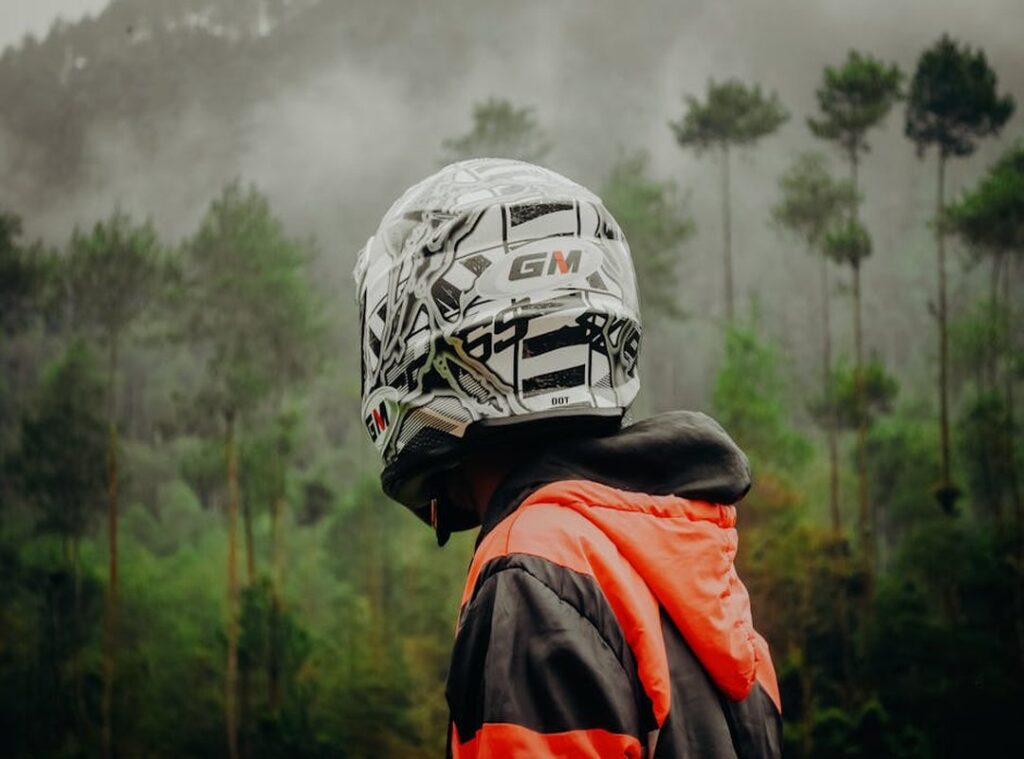
Your head hits the pavement at thirty miles an hour. It happens fast. And your helmet is the only thing standing between you and serious injury.
I’ve seen helmets crack, split, and save lives.
I’ve also seen riders pick one based on color or price (then) regret it after a crash.
This isn’t about marketing buzzwords.
It’s about what’s actually inside your helmet (and) why it matters when everything goes wrong.
You’re here because you want to know What Are Moto Helmets Made of Fmbmotoapparel. Not vague promises. Not jargon.
Just straight talk about shells, liners, and why some materials stop impacts while others just look cool.
Some helmets weigh less but sacrifice protection. Others cost more but don’t perform better. You deserve to know the difference before you strap one on.
I’ll break down each layer (what) it is, how it works, and what trade-offs really exist. No fluff. No filler.
Just facts you can use next time you shop.
By the end, you’ll know exactly what to look for. And what to walk away from.
The Outer Shell: Your First Line of Defense
I’ve seen helmets crack on asphalt. I’ve held one that split clean in half after a low-speed drop. That outer shell?
It’s your first and only chance to spread force before it hits your skull.
What Are Moto Helmets Made of Fmbmotoapparel? Start with the shell. Because if it fails, nothing else matters.
Polycarbonate is cheap. It’s tough. It flexes on impact and absorbs some energy.
But it’s heavy and can shatter under sharp, focused hits. (I dropped one off a garage shelf once (it) didn’t crack. Then I dropped it again, sideways.
It spiderwebbed.)
Fiberglass composites are layered. Resin binds them. They’re lighter than polycarbonate and disperse force better.
Carbon fiber is stiff. Really stiff. It spreads force over a wide area without bending much.
You feel the difference when you lift one. Less neck fatigue on long rides.
That’s why race teams use it. It’s also why those helmets cost more than your first bike.
Kevlar doesn’t go solo. It’s almost always mixed in (with) carbon or fiberglass. To stop punctures.
Moto helmets are crafted from various materials to ensure safety and comfort, and you can explore more options at Fmbmotoapparel.
Think gravel, broken glass, or a snapped branch. It adds strength where sharp things hit.
You don’t need carbon fiber to be safe. But you do need a shell that matches how hard you ride.
A weak shell lets force concentrate. A good one spreads it. That’s not theory.
It’s physics. And it’s why I check the shell material before I even look at the liner.
Price jumps with performance. No surprise there.
The Foam That Saves Your Brain
EPS foam is the reason your skull isn’t cracked right now. It’s not fancy. It’s not high-tech.
It’s just crushed-up plastic beads glued together.
When you hit the ground, that foam crushes. It doesn’t bounce back. It folds in on itself.
That slow collapse buys your brain time (milliseconds) matter. And spreads out the force.
You think all EPS is the same? Nope. Some helmets stack layers: soft foam for low-speed bumps, stiffer foam underneath for harder hits.
It’s not magic. It’s physics you can feel if you squeeze one.
A loose helmet? That foam does nothing. The liner must sit tight against your head (no) gaps, no sliding.
If it moves before impact, it’s already failed.
MIPS? It’s a thin plastic film inside the helmet. It lets the shell rotate slightly on your head during angled hits.
Rotational force is what tears brain tissue. MIPS tries to cut that down. Is it perfect?
No. Does it help? Yes.
Especially on pavement slides.
What Are Moto Helmets Made of Fmbmotoapparel? Mostly EPS. Some MIPS.
A shell. Straps. Sweat.
Fit isn’t optional. It’s the difference between cushioning and chaos. You ever put on a helmet that wobbles?
You know it’s useless. So why ride with one?
| Layer | Job |
| EPS liner | Crushes to absorb direct impact |
| MIPS layer | Slips to reduce twisting force |
| Outer shell | Keeps sharp stuff out and holds it all together |
The Soft Stuff That Actually Matters

The comfort liner is the fabric that touches your head. It’s not just padding. It’s what keeps you from sweating buckets or getting raw spots.
I hate helmets that feel like sandpaper. You do too. That’s why moisture-wicking matters (it) pulls sweat away before it pools.
And hygiene? A gross liner ruins even the safest helmet.
Most liners use brushed nylon or polyester. Some add antimicrobial treatment (which helps, but won’t replace washing). They’re almost always removable.
Wash them. Do it.
Cheek pads and crown pads lock the fit in place. Too loose? You’ll get wind noise and movement.
Too tight? Headaches. Nausea.
Regret.
You can swap pads for thicker or thinner ones. It’s the easiest way to fix a helmet that almost fits. No tools needed.
Just your hands.
What Are Moto Helmets Made of Fmbmotoapparel? Good question. And if you’re asking that, you probably also wonder whether skipping a helmet is ever okay. Do I Need a Motorbike Helmet Fmbmotoapparel answers that fast.
Wash the liner every few rides. Yes, even if it doesn’t smell yet. Your head will thank you.
Visors, Straps, and the Stuff That Actually Holds It Together
I hate fogged visors. They’re dangerous. And cheap ones scratch in a week.
Most visors are polycarbonate. It’s tough. It doesn’t shatter like glass.
It keeps your face safe when things go sideways.
They usually have anti-scratch and anti-fog coatings. UV protection is standard too. Don’t trust a visor without it.
Strong. Reliable. I’ve used them for years.
The chin strap? That’s your lifeline. D-rings are simple.
No surprises.
Quick-release buckles look slick. Micrometric ones let you fine-tune fit. But they jam.
They break. I’ve had three fail mid-ride.
Ventilation matters more than people admit. Vents pull air in. Exhaust ports push hot air out.
It cools your head. It stops fogging. Skip this, and you’ll sweat through every ride.
Rubber trim seals gaps. Vent covers keep rain out. Screws and clips hold everything together.
Lose one? The whole system starts rattling.
What Are Moto Helmets Made of Fmbmotoapparel? Not magic. Just smart materials and honest engineering.
You want real protection? Start with what touches your face. And what holds it on. How to Choose Motorcycle Pants Fmbmotoapparel
Your Head Deserves Better Than Guesswork
I’ve worn helmets that cracked on first impact.
I’ve seen riders skip fit checks and pay for it later.
Understanding What Are Moto Helmets Made of Fmbmotoapparel isn’t trivia.
It’s how you spot the difference between a shell that spreads force and one that just looks cool.
The outer shell stops abrasion. The EPS liner eats energy. That’s what saves your brain.
The comfort liner? It keeps the helmet on your head when you need it most.
Certified means tested.
Not “kinda safe.” Not “good enough for short rides.” Tested.
You ride different roads. Different speeds. Different weather.
So why pick a helmet like it’s a lottery ticket?
Your pain point isn’t cost or style.
It’s waking up tomorrow with your memory intact.
Check the fit every time. Replace it after any crash. Even if it looks fine.
And swap it every five years, max. Foam degrades. You don’t get a second chance.
Go grab yours now. Try it on. Shake your head.
Yell. If it moves, it fails.
Wear it. Tighten it. Trust it.
Your skull doesn’t negotiate. Neither should you.
 Creative Technology Director
Tynsera Pell serves as the Creative Technology Director at ElectRentertainment.com, where she leads the creative vision behind digital content and tech storytelling. She specializes in blending design innovation with modern technology trends, ensuring that complex ideas are transformed into engaging and accessible experiences for users. Working closely with both editorial and development teams, she plays a key role in shaping user experience, visual identity, and interactive media concepts. Her work focuses on presenting gadgets, digital tools, and tech innovations in a visually compelling and intuitive way. Tynsera is essential in maintaining the platform’s creative direction while supporting the founder’s vision through innovative design and storytelling strategies.
Creative Technology Director
Tynsera Pell serves as the Creative Technology Director at ElectRentertainment.com, where she leads the creative vision behind digital content and tech storytelling. She specializes in blending design innovation with modern technology trends, ensuring that complex ideas are transformed into engaging and accessible experiences for users. Working closely with both editorial and development teams, she plays a key role in shaping user experience, visual identity, and interactive media concepts. Her work focuses on presenting gadgets, digital tools, and tech innovations in a visually compelling and intuitive way. Tynsera is essential in maintaining the platform’s creative direction while supporting the founder’s vision through innovative design and storytelling strategies.