The phrase allahumasollialamuhammad is one of the most frequently heard and recited expressions in the Muslim world. You might have heard it, but do you know what it means? Many people are unsure of its precise meaning, how to write it in Arabic, or its deep spiritual importance.
This guide will break down the translation, the Arabic script, and the significance of this beautiful prayer. Whether you’re Muslim or not, this article is for anyone curious to learn more about this core part of Islamic practice.
Understanding this phrase opens a window into the reverence and love central to the Islamic faith. Let’s dive in.
Breaking Down the Meaning: A Word-by-Word Translation
The direct English translation is: “O Allah, send your blessings upon Muhammad.”
Let’s break it down into its four core components. Allahumma (اللَّهُمَّ) means “O Allah,” a direct call to God. Salli (صَلِّ) means to send blessings, honor, or pray for.
Ala (عَلَىٰ) means “upon.” And Muhammad (مُحَمَّدٍ) refers to the Prophet of Islam.
So, when you say allahumasollialamuhammad, you’re essentially calling on God to bless and honor the Prophet Muhammad.
But there’s more to it than just the words. This phrase is an act of love and respect. It’s a request for God to elevate the status of the Prophet.
For the believer, it’s a way to connect with their faith and show their admiration for Muhammad.
Sometimes, people extend the phrase by adding wa ‘ala aali Muhammad (and upon the family of Muhammad). This shows that the blessings can be extended to include his family as well.
Think of it like sending good wishes to a respected leader. When you do that, you’re not only showing your admiration but also hoping for goodness and blessings for them. It’s a simple yet powerful way to express your faith and connection.
A Guide to the Arabic Script and Correct Pronunciation
Let’s start with the full, clear Arabic script with all diacritics (vowel markings): اللَّهُمَّ صَلِّ عَلَىٰ مُحَمَّدٍ.
Now, for a simple, phonetic transliteration: ‘Al-la-hum-ma sal-li ‘a-laa Mu-ham-mad.’
Here’s a pronunciation guide for some tricky sounds. The ‘ṣād’ (ص) in ‘salli’ is like a heavier ‘s’ sound. The ‘ayn’ (ع) in ”ala’ is a guttural sound made from the back of the throat.
It might take some practice, but you’ll get it.
Diacritics are crucial. For example, the shadda over the ‘l’ in Allahumma and the ‘m’ in Muhammad ensure the correct rhythm and emphasis. They help you pronounce the phrase correctly.
| Arabic Letter | Name | Sound |
|---|---|---|
| ل | Lam | l |
| ص | Ṣād | ṣ |
| ع | ‘Ayn | ‘ |
| م | Mim | m |
Understanding these basics is a big step toward appreciating the language. Perfect pronunciation takes time, but getting the basics right is a great start.
Remember, even if you don’t get it perfect at first, the effort shows respect and dedication. Keep practicing, and you’ll see improvement. Electrentertainment
Why This Phrase is So Important in Islamic Tradition
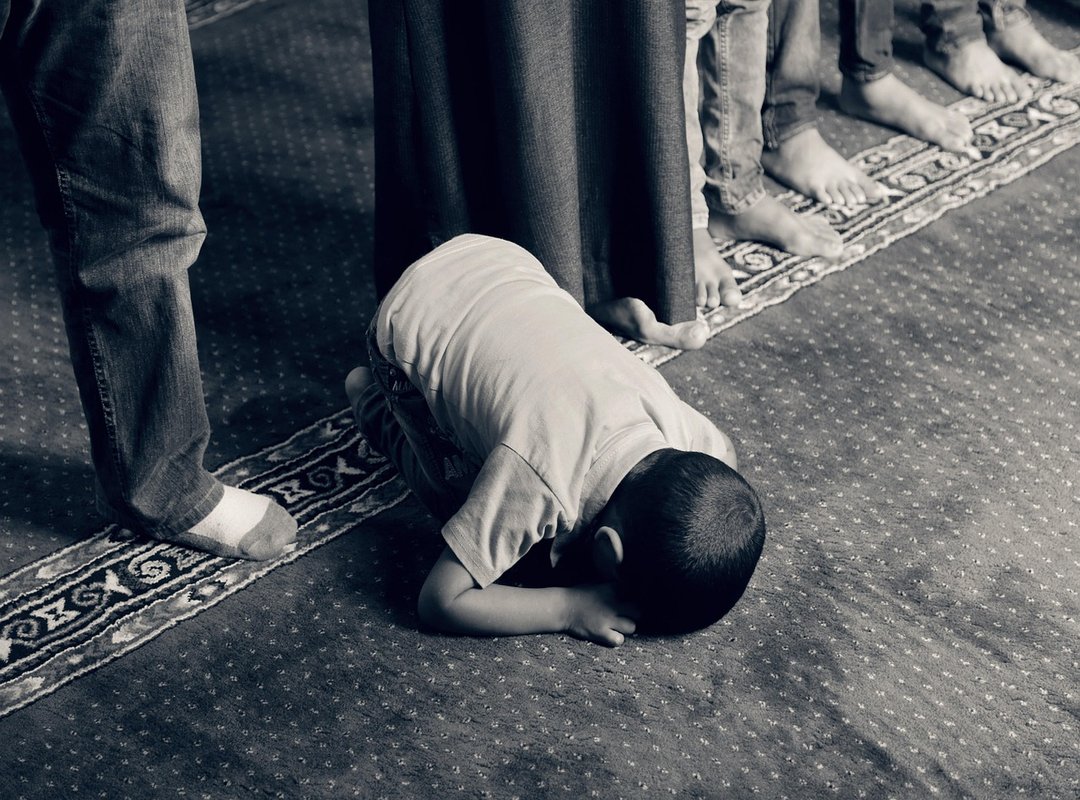
Salawat, the act of sending blessings on the Prophet Muhammad, is a fundamental practice for Muslims. It’s not just a ritual; it’s a way to connect with the divine and show respect.
The Quranic foundation for this practice is clear. In Surah Al-Ahzab, verse 56, Allah and His angels send blessings on the Prophet and command believers to do the same.
Reciting Salawat has significant rewards. According to Hadith, for each blessing you send, you receive ten from God. It also leads to the forgiveness of sins and draws you closer to the Prophet on the Day of Judgment.
In daily life, Salawat is everywhere. It’s a key part of the five daily prayers (salah). Whenever the Prophet’s name is mentioned, we say it.
It’s also central to personal supplications (du’a).
So, how can you integrate this into your routine? Start by saying allahumasollialamuhammad whenever you hear or read the Prophet’s name. It’s a simple yet powerful act.
You can also make it a habit to recite Salawat during your daily prayers. This not only fulfills a religious duty but also helps you stay mindful and connected.
Remember, the act of saying Salawat is deeply tied to core Islamic values like gratitude, love, and respect. It’s a way to honor the final messenger who brought divine guidance.
By making Salawat a regular part of your day, you’re not just following a tradition. You’re actively engaging in a practice that brings spiritual benefits and strengthens your faith.
Answering Your Top Questions
What is the short version I often see?
You might see ‘SAW’ or the symbol ‘ﷺ’ a lot. It stands for Sallallahu alayhi wa sallam, which means “May Allah’s peace and blessings be upon him.” It’s used after writing the Prophet’s name.
When are the best times to recite it?
I think the best times are on Fridays, during prayer, and right after hearing the call to prayer (Adhan). These moments are special and add a bit of extra reverence.
Is it okay for a non-Muslim to say this phrase?
Absolutely. It’s a prayer, and anyone can say it with an intention of respect and goodwill.
The act itself is one of sending peace. I believe it’s a beautiful way to show respect, no matter your faith.
Pro Tip: If you want to use the full Arabic phrase, you can say allahumasollialamuhammad. It’s a heartfelt way to express your respect.
Embracing the Power and Peace of Blessings
The reader now knows the word-for-word meaning of ‘Allahumma salli ala Muhammad,’ how to write and pronounce it, and its profound spiritual importance. This simple phrase is more than just words; it is a direct line of connection, love, and respect within the Islamic faith.
allahumasollialamuhammad arabic.
Your initial question has been fully answered, leaving you with a confident understanding of the topic. The next time you encounter this phrase, take a moment to appreciate its beauty, now with a deeper knowledge of its meaning and power.
 Digital Entertainment & Trends Analyst
Xlythara Gleam is the Digital Entertainment & Trends Analyst at ElectRentertainment.com, responsible for tracking and interpreting the latest developments in digital media, gaming, streaming platforms, and entertainment technology. She conducts in-depth research on emerging gadgets and industry shifts, providing insights that help guide the platform’s content strategy and editorial direction. Her analysis ensures the company stays ahead of evolving tech trends and audience behavior patterns. By transforming data into actionable insights, she contributes to shaping forward-thinking content that reflects the future of digital entertainment. Her role is crucial in keeping ElectRentertainment.com relevant, informed, and consistently aligned with global innovation trends.
Digital Entertainment & Trends Analyst
Xlythara Gleam is the Digital Entertainment & Trends Analyst at ElectRentertainment.com, responsible for tracking and interpreting the latest developments in digital media, gaming, streaming platforms, and entertainment technology. She conducts in-depth research on emerging gadgets and industry shifts, providing insights that help guide the platform’s content strategy and editorial direction. Her analysis ensures the company stays ahead of evolving tech trends and audience behavior patterns. By transforming data into actionable insights, she contributes to shaping forward-thinking content that reflects the future of digital entertainment. Her role is crucial in keeping ElectRentertainment.com relevant, informed, and consistently aligned with global innovation trends.