

I hate coding advice that sounds like it was written by a robot who’s never shipped real software.
You know the kind.
This is not that.
I’ve spent years writing code people actually use. Code that breaks at 3 a.m. Code that someone else has to fix.
Code that made me groan when I reread it two weeks later.
So this guide? It’s built on what works (not) theory, not trends.
You’ll get straight talk on how to start clean, keep things readable, and avoid the dumb mistakes we all make (yes, even me).
What’s the point? To make your next project less frustrating and more fun.
No fluff. No jargon. Just stuff that moves the needle.
That includes Otvpcomputers Coding Advice From Onthisveryspot (the) kind you’d tell a coworker over coffee.
You’re here because you want better results. Not another list of “best practices” nobody follows.
Good. Let’s fix that.
By the end, you’ll know exactly how to write code that’s easier to change, easier to trust, and easier to walk away from without guilt.
Your Setup Is Your First Real Code
I set up VS Code wrong three times before I got it right. (You will too.)
Start with Otvpcomputers (their) Coding Advice From Onthisveryspot saved me from installing ten useless extensions.
VS Code is the best place to begin. Not Sublime. Not Atom.
Just VS Code.
Install Prettier and ESLint the first day. Not later. Not after you’ve written messy code you can’t read.
You’ll ask yourself: Why does this file look different on my laptop than my friend’s?
Because your editor isn’t formatting it the same way.
Make a folder called projects. Not coding_stuff. Not blah.
Just projects.
Put every new thing inside it. Even if it’s one file. Even if it’s dumb.
Open your terminal. Type ls. Then cd projects.
Then mkdir hello-world. That’s not scary. That’s control.
I once spent 47 minutes hunting for a file because I named it index2.js instead of putting it in a folder called login-page. Don’t be me.
You don’t need ten tools. You need one editor, two extensions, and three commands: ls, cd, code .
Type code . and watch your folder open in VS Code. That’s magic you built.
Your environment isn’t decoration. It’s your workspace. Your hammer.
Your notebook.
If it fights you, change it. Fast.
Readable Code Is Kind Code
I write code for people first. Not machines. Not compilers.
People.
Especially my future self. Who will stare blankly at today’s “clever” logic and curse me.
You’ve been there. You open a file you wrote three months ago and think what the hell was I thinking?
That’s why readable code matters. It’s not about ego or showing off. It’s about saving time.
Reducing bugs. Making changes faster.
Name things like you’re explaining them to a coworker over coffee. user_age, not ua. calculate_total_with_tax, not do_stuff.
Consistent spacing and indentation aren’t optional. They’re hygiene. Run an auto-formatter.
Every. Single. Time.
(Yes, even when you’re tired.)
Break big functions into small ones. Each does one thing (and) its name tells you what.
Bad:
def f(x): return x * 0.9 + 5
Good:
def apply_discount_and_add_shipping(total):
return total * 0.9 + 5
Comments should answer why, not what. The code shows what.
Otvpcomputers Coding Advice From Onthisveryspot says: if you wouldn’t explain it to your least technical friend, rewrite it.
You’ll thank yourself later. I promise.
Debugging Is Just Coding
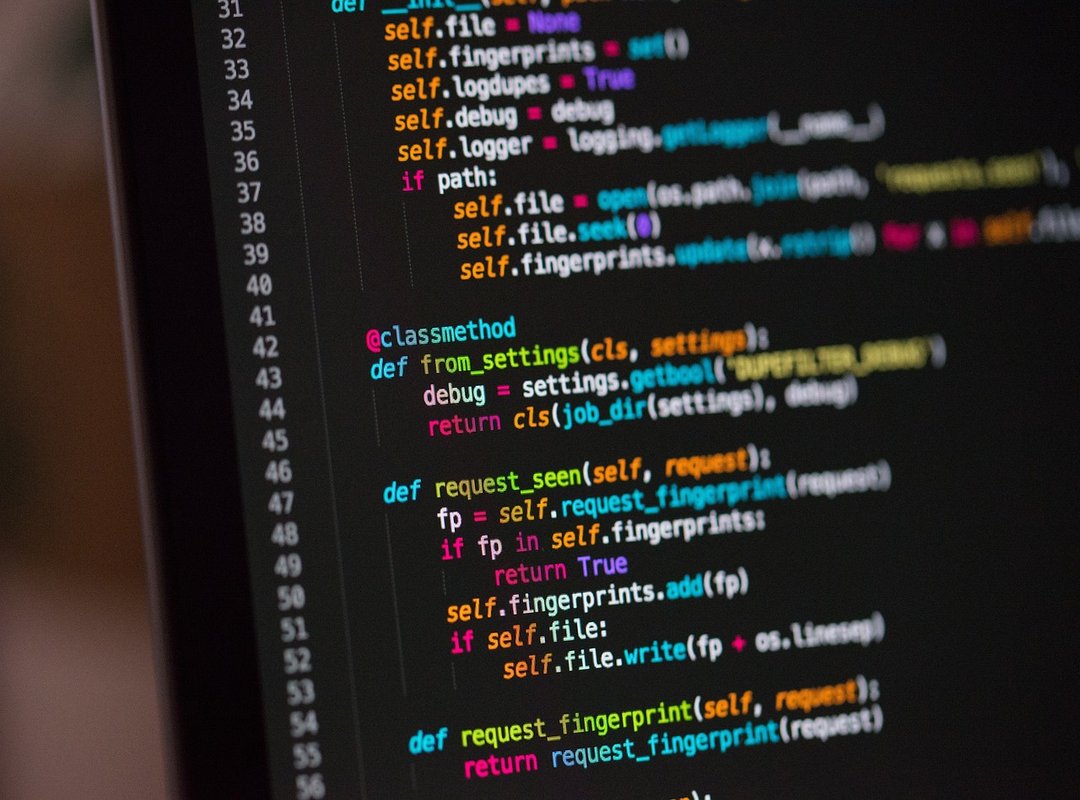
Debugging is not failure. It is coding.
I spend half my time staring at errors. You will too. That’s normal.
Error messages look scary. They are not. Read them word for word.
The line number? Start there. Not five lines above.
Not ten lines below. There.
Print statements are dumb and perfect. Drop one before the crash. Drop one after.
See where it stops. That’s your bug’s front door.
A debugger is better than print. It lets you pause your code mid-run. See real values.
Watch logic unfold. Your IDE has one. Use it.
Stop guessing.
Stuck? Comment out half the function. Still breaks?
Comment out half of what’s left. Keep going. Binary search beats panic.
You hit a wall? Walk away. Make coffee.
Stare at a wall. Come back in 20 minutes. Your brain resets.
The fix jumps out.
Rubber duck debugging works. Say the problem out loud. To a duck.
To your cat. To your toaster. Explaining forces clarity.
Try it before you rage-quit.
If you’re seeing Errordomain Otvpcomputers, you’re not alone. How to Troubleshoot Errordomain Otvpcomputers walks through that exact error.
Otvpcomputers Coding Advice From Onthisveryspot says: bugs are facts. Not judgments.
Fix one. Then the next. Then lunch.
Learn or get left behind
I code every day. Not because I love it. Because if I stop, I fall behind.
You think your job is writing Python? No. Your job is learning how to learn faster than the tools change.
I use docs first. Not tutorials. Docs tell you what the thing actually does.
Tutorials tell you what someone thinks you should do.
LeetCode feels like running in place. So I build dumb things instead. A script that renames my downloads folder.
A CLI tool that logs my coffee intake. (Yes, really.)
Open source scared me until I fixed a typo in a README. Then I added a test. Then I shipped a feature.
Start small. Stay consistent.
Core CS concepts matter. Big time. You can fake your way through React for months.
Try debugging a race condition without understanding threads. Good luck.
I once spent three days stuck on a memory leak. Read the Rust book chapter on ownership. Fixed it in 20 minutes.
Ask questions in public. Post your messy code. Get roasted.
It stings. It works.
You want real advice? Stop chasing the next system. Master loops.
Understand how memory moves. Know why your code crashes.
Otvpcomputers Coding Advice From Onthisveryspot is where I go when I need no-BS clarity.
Otvpcomputers gets it right. No fluff. Just working code and straight talk.
Code Gets Better When You Start Today
I’ve been where you are. Staring at a bug for two hours. Wondering if I’m even cut out for this.
You don’t need more theory. You need one thing that works. right now.
That’s why Otvpcomputers Coding Advice From Onthisveryspot isn’t about perfection. It’s about clarity. About stopping the spin cycle of overthinking and just writing code that runs.
You already know what’s holding you back. That messy workspace. The fear of breaking something.
The habit of skipping docs until it’s too late.
So here’s what I want you to do: pick one tip from this article. Just one. Not three.
Not five. One.
Try it in your current project before the end of the day.
No grand plan. No overhaul. Just open your editor and apply it.
You’ll notice the difference fast. Your focus sharpens. Your frustration drops.
You stop dreading the next commit.
This isn’t magic. It’s momentum. And momentum starts with a single line of intentional code.
You came here because something’s not clicking. Maybe it’s confidence. Maybe it’s consistency.
Maybe it’s just exhaustion.
This advice fixes that (not) later. Now.
Go open your project.
Pick your one thing.
Do it.
Then come back tomorrow and do it again.
 Creative Technology Director
Tynsera Pell serves as the Creative Technology Director at ElectRentertainment.com, where she leads the creative vision behind digital content and tech storytelling. She specializes in blending design innovation with modern technology trends, ensuring that complex ideas are transformed into engaging and accessible experiences for users. Working closely with both editorial and development teams, she plays a key role in shaping user experience, visual identity, and interactive media concepts. Her work focuses on presenting gadgets, digital tools, and tech innovations in a visually compelling and intuitive way. Tynsera is essential in maintaining the platform’s creative direction while supporting the founder’s vision through innovative design and storytelling strategies.
Creative Technology Director
Tynsera Pell serves as the Creative Technology Director at ElectRentertainment.com, where she leads the creative vision behind digital content and tech storytelling. She specializes in blending design innovation with modern technology trends, ensuring that complex ideas are transformed into engaging and accessible experiences for users. Working closely with both editorial and development teams, she plays a key role in shaping user experience, visual identity, and interactive media concepts. Her work focuses on presenting gadgets, digital tools, and tech innovations in a visually compelling and intuitive way. Tynsera is essential in maintaining the platform’s creative direction while supporting the founder’s vision through innovative design and storytelling strategies.