

I’ve watched too many gardeners drown their tomatoes with well water they didn’t trust.
Or worse (let) them wilt while second-guessing the pump.
You’re not alone.
Most people with a private well don’t know if their water is safe for plants. Or how to use it without wasting gallons every week.
Is it too hard? Too salty? Full of iron that stains your soil brown?
You’re asking those questions right now. I was too.
This isn’t theory.
I’ve tested pH, flushed iron filters, adjusted drip lines at 5 a.m., and killed (and revived) more basil than I care to admit (all) using Private Well Appcgarden as my only water source.
No lab reports. No consultants. Just real dirt, real pumps, and real seasons.
You’ll learn what actually matters (not) what sounds impressive. How to read your well’s quirks like a weather report. When to water, when to hold back, and how to keep your soil alive without over-pumping.
By the end, you’ll turn on that spigot and know exactly what’s coming out. And why it’s enough.
What’s Really in Your Well Water?
I test my well water every spring.
Not because I love paperwork. But because my tomatoes turned yellow last year.
You think all well water is the same? It’s not. One neighbor’s water feeds lush basil.
Another’s leaves white crust on pots. That’s why knowing what’s in your water is step one. Not step two.
Not after you’ve killed three batches of seedlings. Step one.
Get it tested. Especially for pH, hardness, iron, and sulfur. pH matters. Acidic water locks up nutrients.
Alkaline water does too. (Yeah, both suck.)
Your plants can’t absorb iron or zinc if the pH’s off (even) if those minerals are sitting right there in the soil.
High minerals build up over time. Iron stains leaves. Sulfur smells like rotten eggs.
And clogs drip emitters. Hard water leaves chalky film on foliage. You’ll see it.
You’ll wipe it off. Then it comes back.
Where to test? Local health departments often do basic tests cheap. Agricultural extension offices go deeper (especially) for gardeners.
Private labs give full reports. Some even explain what the numbers mean. (Most don’t.
Don’t pick one that just spits out data.)
If you’re digging into well water for gardens, check out Appcgarden. It’s built for people who want plain answers. Not jargon.
And yes, “Private Well Appcgarden” is a real search term. People are looking. So are you.
Water Your Garden Like You Own the Well
I water my garden with well water.
You probably do too.
Deep watering works better than sprinkling every day. Plants grow stronger roots when they have to reach down for moisture. Shallow watering makes them lazy.
(And wastes water.)
Water early in the morning. Evaporation stays low. Fungal diseases stay lower.
No, noon is not fine. Yes, I’ve tried it.
Soaker hoses beat sprinklers every time. Drip systems are even better. They skip the leaves and hit the soil where roots live.
Wet leaves invite trouble. Dry leaves don’t care.
Root rot kicks in. Nutrients wash away. You’re not being generous.
Overwatering ruins more gardens than drought does. Especially with well water. Minerals build up.
You’re being careless.
I check the soil before I turn anything on. If it’s damp two inches down, I wait. You should too.
Private Well Appcgarden isn’t magic.
It’s just paying attention.
Well water doesn’t come from a utility bill. It comes from your land. That means you owe it some respect.
I stopped guessing years ago. Now I watch the plants. I feel the dirt.
I ignore the clock.
You don’t need fancy gear. You need consistency. And the nerve to skip a day.
Well Water Got Problems? Fix Them.
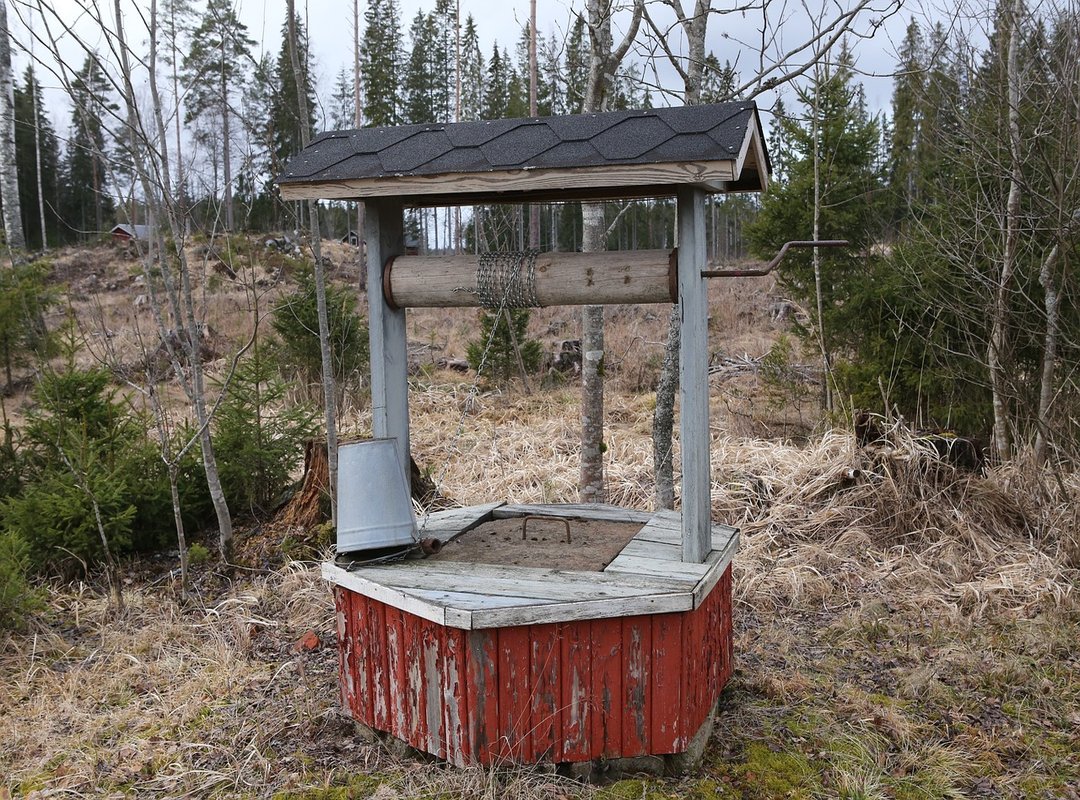
I water my garden with well water. It works. But sometimes it fights back.
Too alkaline? My soil turned chalky and my blueberries choked. I dug in peat moss.
It worked. Or skip the fix (plant) lavender or lilacs instead. They love alkaline water.
High iron stains my hose bib black. It doesn’t hurt my tomatoes. But if you hate the orange splatter, let the water sit overnight before using it.
(Who knew?)
Or run an aerator. Simple. Done.
Hard water builds up salts in the soil over time. I noticed crust on the surface near my raised beds. I started mixing compost into every planting hole.
And I use rainwater for seedlings and acid-lovers like azaleas.
Chlorine? Not a thing with private wells. But other stuff might be.
You don’t guess. You test. Every year.
No exceptions.
I keep a log. pH. Iron. Hardness.
Total dissolved solids. It’s boring until it saves your garden.
Want more real fixes like this? Check out the Garden tips appcgarden page. It’s where I go when my well throws a curveball.
Private Well Appcgarden means knowing your water. Not hoping it behaves.
Test first. Tweak second. Plant third.
Plants That Won’t Quit on Well Water
I dug up three rose bushes last summer. They lasted six weeks. My well water’s hard.
It’s got iron. It’s alkaline. I didn’t know that until the leaves turned yellow and the stems went brittle.
You don’t need fancy soil tests to start. Just taste your water. Not literally ((seriously,) don’t).
But run it through a cheap $20 test strip. Check pH and hardness. Most well water in this area runs 7.5. 8.5 pH.
That kills azaleas. Loves lavender.
Drought-tolerant isn’t just for show. It’s real savings. Every gallon you don’t pump matters.
Sage, yarrow, Russian olive. They shrug off dry spells and mineral spikes.
Some plants scream when minerals build up. Others ignore it. Oregano?
Fine. Spinach? Nope.
It pulls in nitrates like a magnet (and) your well might already have some.
Start small. One raised bed. Three plant types.
Watch them for a month. See what wilts, what thrives, what just looks confused.
Don’t guess. Test. Observe.
Adjust.
That’s how I learned my tomatoes needed gypsum. And my mint didn’t care about anything.
Private Well Appcgarden means working with your water. Not fighting it.
More backyard tips appcgarden are here: Backyard tips appcgarden
Your Well Can Grow Real Plants
I’ve done it. My well waters tomatoes, lavender, and even thirsty zucchini (without) dropping my water level or killing the soil.
You don’t need city water to grow something beautiful. You just need to know what’s in your water. Test it first.
Not later. This season.
Because guessing ruins gardens. Hard water clogs drip lines. High sodium stunts seedlings.
Iron stains your pots (and) your patience.
I skip the guesswork. You should too. Private Well Appcgarden gives you the real picture (not) marketing fluff.
You want green leaves, not brown edges. You want steady pressure. Not a sputtering hose at noon.
You want your well to last longer than your garden does.
So stop hoping. Start testing. Grab a kit.
Mail it in. Get results in under a week.
Then plant like you mean it.
 Creative Technology Director
Tynsera Pell serves as the Creative Technology Director at ElectRentertainment.com, where she leads the creative vision behind digital content and tech storytelling. She specializes in blending design innovation with modern technology trends, ensuring that complex ideas are transformed into engaging and accessible experiences for users. Working closely with both editorial and development teams, she plays a key role in shaping user experience, visual identity, and interactive media concepts. Her work focuses on presenting gadgets, digital tools, and tech innovations in a visually compelling and intuitive way. Tynsera is essential in maintaining the platform’s creative direction while supporting the founder’s vision through innovative design and storytelling strategies.
Creative Technology Director
Tynsera Pell serves as the Creative Technology Director at ElectRentertainment.com, where she leads the creative vision behind digital content and tech storytelling. She specializes in blending design innovation with modern technology trends, ensuring that complex ideas are transformed into engaging and accessible experiences for users. Working closely with both editorial and development teams, she plays a key role in shaping user experience, visual identity, and interactive media concepts. Her work focuses on presenting gadgets, digital tools, and tech innovations in a visually compelling and intuitive way. Tynsera is essential in maintaining the platform’s creative direction while supporting the founder’s vision through innovative design and storytelling strategies.