
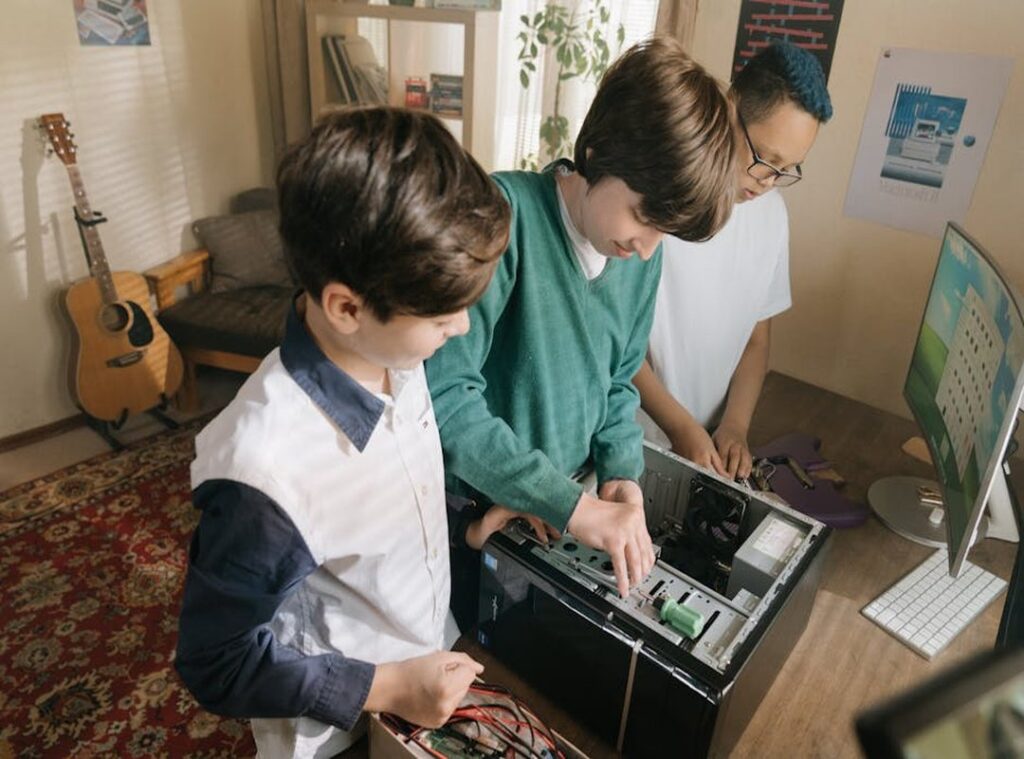
I used to think “computer geek” meant someone who spoke in code and lived in a basement.
Turns out I was wrong.
Most tech people just solve real problems. They fix your router. They build the app you use to order coffee.
They keep hospitals running.
And yet. Technology still feels confusing. Intimidating.
Like it’s built for insiders only.
You’ve probably seen the phrase Dtrgstechfacts Computer Geeks From Digitalrgs somewhere. Maybe in a forum. Maybe buried in a search result.
It sounds like jargon. But it’s not.
It’s shorthand for something real: the people who actually make digital tools work (and) how they shape what you use every day.
I’ve spent years working alongside them. Not as an observer. As someone who shipped code, broke servers, and fixed laptops at 2 a.m.
This isn’t theory.
It’s what happens when you stop reading manuals and start talking to the people building them.
You’ll walk away knowing what “Dtrgstechfacts Computer Geeks From Digitalrgs” actually means. Not as a buzzword. But as a window into who builds your world (and) why it matters.
Who Even Is a Computer Geek?
I used to think “computer geek” meant someone who wore glasses and talked in code. (Spoiler: I was wrong.)
A computer geek is just someone who cares—deeply (about) how tech works. Not because they have to. Because they want to.
They ask why something breaks before it breaks. They read manuals for fun. (Yes, really.)
You’ll find them building custom PCs in their garage. Or debugging a router at 2 a.m. Or rewriting a script just to make it run faster.
They’re not all coders. Some rebuild old laptops. Some map Wi-Fi dead zones like cartographers.
Some lock down home networks like digital bouncers.
Curiosity drives them. Not clout. Not trends.
Just the itch to understand.
You know that friend who fixes your printer and explains why the firmware update failed? That’s a geek.
You’ve seen them on Dtrgstechfacts. Real people solving real problems, no jargon required.
Discover the latest insights and innovations from the world of tech enthusiasts at Dtrgstechfacts, where digital knowledge thrives.
They tinker with open-source tools. Host media servers on Raspberry Pis. Flash BIOS chips just to see if it sticks.
It’s not about knowing everything. It’s about refusing to stop asking questions.
Why does this button do that? What happens if I change this setting? Can I make this older thing talk to this newer thing?
That’s the core. Not perfection. Not polish.
Just constant, joyful poking.
Dtrgstechfacts Computer Geeks From Digitalrgs aren’t mythical. They’re your neighbor. Your coworker.
Maybe you.
You ever lose track of time fixing something that wasn’t even broken? Yeah. You count.
Digital Tech Is Just… There
I check my phone before my eyes are fully open.
You do too.
It’s not magic. It’s code. It’s servers.
It’s people.
Digital tech runs everything now. Work emails, bus schedules, your thermostat, even the coffee maker. Not because it’s fancy.
Because it works.
The internet? Not a cloud. It’s fiber lines under streets, routers in closets, data centers humming in warehouses.
Computer geeks built that. They keep it running. They fix it when it breaks.
(And it always breaks.)
Online banking saves me 20 minutes every pay period. Video calls let me see my sister’s newborn without booking a flight. My lights turn on when I say “Hey Google.” I don’t care how (it) just does.
But none of this stays still. Android updates. Router firmware patches.
New security flaws popping up every Tuesday.
Someone has to read the docs. Test the patch. Restart the server at 3 a.m.
That’s why “Dtrgstechfacts Computer Geeks From Digitalrgs” isn’t a slogan. It’s a job description.
You think your Zoom call is smooth?
I guarantee someone patched a bug two hours before you clicked “Join.”
We don’t notice the infrastructure (until) it vanishes. Then we panic. Then we call them.
In today’s fast-paced tech environment, understanding How to Maximize Efficiency Dtrgstechfacts can significantly enhance your productivity as a computer geek.
They’re not wizards. They’re just the ones who stayed late. Read the manual.
Asked the dumb question first.
Geeks Build Stuff. Not Just Talk.
I know geeks. Not the stereotype. The ones who stay up fixing a router just to see if it can handle 10 gigabit over Wi-Fi.
They build.
Most big tech didn’t start in boardrooms. They started in garages. Or dorm rooms.
With someone asking “What if?” and then building it.
That’s how Linux got made. How Arduino changed hardware prototyping. How Rust got serious about memory safety.
Because someone was tired of segfaults.
You think those breakthroughs came from corporate R&D budgets? Nope. They came from people obsessed with the how, not the quarterly report.
They’re the first to break new AI models. The first to jailbreak a smart speaker. The first to ask “Can we make this smaller, faster, cheaper?”
Dtrgstechfacts Computer Geeks From Digitalrgs are the ones elbow-deep in firmware at 2 a.m., debugging why a sensor drifts after 72 hours. (Spoiler: it’s always the voltage regulator.)
And yeah (they) care about efficiency. Not just speed. Real-world efficiency.
Like how to maximize efficiency dtrgstechfacts without burning out the hardware. Or themselves.
They don’t wait for permission. They ship. Then iterate.
Then ship again.
Computer Geeks Aren’t What You Think
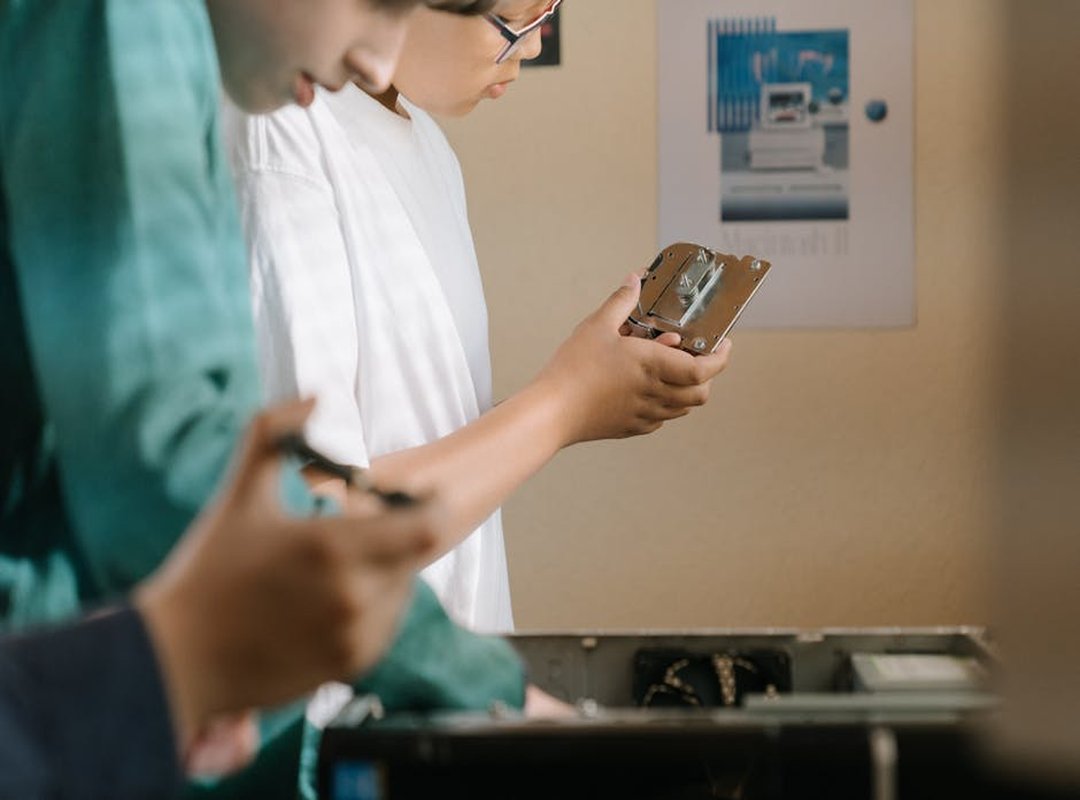
I’ve been called a “computer geek” since I built my first website in high school. And no, I didn’t wear taped-up glasses or avoid eye contact. (I did eat cold pizza for breakfast though.)
People assume tech enthusiasts don’t talk to humans. Wrong. We run Slack channels, lead open-source projects, and argue passionately about button placement in design reviews.
As technology continues to evolve, it’s crucial for everyone to understand the basics; for more information, check out What Are Essential Digital Skills Dtrgstechfacts.
We’re not just typing into voids. We sketch ideas on whiteboards. We prototype with cardboard and duct tape before writing one line of code.
Some of us play guitar. Some brew sour beer. Some coach youth soccer.
None of that stops us from debugging Kubernetes at 2 a.m.
Dtrgstechfacts Computer Geeks From Digitalrgs aren’t monoliths. They’re collaborators. Problem-solvers.
People who fix your Wi-Fi and recommend a good novel.
Their focus isn’t isolation (it’s) clarity. They cut through noise to build things that work. That’s why teams lean on them when deadlines loom and systems crash.
You think creativity lives only in art studios? Try watching someone refactor legacy code into something clean and fast. It’s ballet.
With errors.
Want to know what skills actually matter?
Check out What Are Important Digital Skills Dtrgstechfacts
Real People Behind the Screens
You came here confused.
You typed Dtrgstechfacts Computer Geeks From Digitalrgs into a search bar and got lost in jargon.
I get it. Tech feels cold. Distant.
Like it runs itself.
It doesn’t.
People build it. Fix it. Push it forward.
People who stay up too late debugging code. Who explain routers to grandparents. Who turn chaos into something that just works.
That’s who Dtrgstechfacts Computer Geeks From Digitalrgs really are. Not wizards. Not aliens.
Just humans with focus, curiosity, and stubborn patience.
You felt intimidated before. That’s normal. But it’s also unnecessary.
You don’t need to know every line of code to appreciate what they do. You just need to notice when your video call holds. When your bank app loads.
When your car warns you about traffic.
That’s them. Working. Slowly.
Reliably.
So next time something tech-related just works. Pause for two seconds. Thank the person behind it.
Or ask them how it works. Or open a browser and type “how does Wi-Fi actually work?”
Your curiosity is valid. Your questions matter. And no, you don’t have to become an expert.
You just have to stop pretending tech is magic.
It’s not.
It’s people.
Go look at your phone right now. Touch the screen. Feel the weight.
That device exists because someone somewhere refused to accept “it can’t be done.”
That’s the real story.
That’s why this matters.
Start small. Ask one question today. Then another tomorrow.
To enhance your understanding of digital technology, consider exploring What Are Essential Digital Skills Dtrgstechfacts and gradually build your knowledge base.
The future isn’t built by spectators.
It’s built by people who lean in (even) a little.
 Creative Technology Director
Tynsera Pell serves as the Creative Technology Director at ElectRentertainment.com, where she leads the creative vision behind digital content and tech storytelling. She specializes in blending design innovation with modern technology trends, ensuring that complex ideas are transformed into engaging and accessible experiences for users. Working closely with both editorial and development teams, she plays a key role in shaping user experience, visual identity, and interactive media concepts. Her work focuses on presenting gadgets, digital tools, and tech innovations in a visually compelling and intuitive way. Tynsera is essential in maintaining the platform’s creative direction while supporting the founder’s vision through innovative design and storytelling strategies.
Creative Technology Director
Tynsera Pell serves as the Creative Technology Director at ElectRentertainment.com, where she leads the creative vision behind digital content and tech storytelling. She specializes in blending design innovation with modern technology trends, ensuring that complex ideas are transformed into engaging and accessible experiences for users. Working closely with both editorial and development teams, she plays a key role in shaping user experience, visual identity, and interactive media concepts. Her work focuses on presenting gadgets, digital tools, and tech innovations in a visually compelling and intuitive way. Tynsera is essential in maintaining the platform’s creative direction while supporting the founder’s vision through innovative design and storytelling strategies.