
Art constantly evolves. From cave walls to digital screens, now we’re diving into fully immersive worlds. Yet many still see the vr art movement as niche or too complex.
Why is that?
I get it. It can feel overwhelming. But understanding this movement is key to grasping its significance in today’s culture.
I dive deep into the latest tech trends and their cultural impact. You can trust that what I’m sharing comes from solid research and insight.
In this article, I’m here to clear up the confusion around virtual reality art. I’ll explore its origins, the tools artists use, and who the leading figures are.
You’ll get a full view of this big art form. By the end, you’ll see how virtual reality art isn’t just a trend (it’s) shaping the future of creative expression.
Let’s unpack this together.
Beyond the Canvas: The VR Art Movement
When I think of the VR art movement, I’m reminded of how it’s redefining creativity. It’s not just about seeing; it’s about stepping into art, experiencing it. VR art is created and experienced in virtual reality environments.
This isn’t your typical 2D digital art. It’s a full-blown immersive experience. You don’t just look at art; you inhabit it.
Artists are shifting from merely displaying visuals to crafting worlds. In VR, they manipulate space, light, sound, and yes, even physics, to construct unique experiences. Imagine walking through a painting, hearing the brushstrokes, feeling the colors.
That’s VR art for you.
The difference from augmented reality (AR)? Simple. While AR layers digital elements onto the real world, VR plunges you into an entirely virtual space.
Immersion is key. You’re not just a spectator; you’re part of the scene. That’s something traditional and 2D digital art can’t deliver.
It’s a whole new ballgame. VR art challenges artists to think in dimensions. It asks us to question: Can you feel art?
Can you interact with it? The answers lie in the virtual realms waiting to be explored. This movement is shaking things up.
I say, let’s dive in and see where it takes us.
Early Pixels to Immersive Realities: A VR Art Odyssey
VR art has come a long way. Back in the days of early computer graphics, creating art digitally felt like magic. I mean, who thought pixels could ever be more than just tiny squares?
But here we are.
The vr art movement really took off with consumer-grade hardware. Think Oculus Rift and HTC Vive. These gadgets brought virtual reality into living rooms.
Suddenly, anyone could dive into a digital canvas and create. But what about the tools? Enter Tilt Brush, Quill, and Gravity Sketch.
These apps made VR creation accessible. They transformed anyone into an artist.
Remember those early VR art exhibitions? They were mind-blowing. Projects like these brought VR into the spotlight, showing the world its potential.
It wasn’t just tech geeks who were interested. Everyone wanted a piece of the action.
It’s fascinating how hardware and software advancements converged. This combo fueled the rapid growth of VR art. It’s like watching a tech revolution unfold in real-time.
If you’re curious about tech trends, this guide is worth a look.
VR art isn’t just a phase. It’s a glimpse into the future of artistic expression. And I can’t wait to see what’s next.
The Artist’s Toolkit: Creating in the Virtual Area
Creating art in VR isn’t just a trend; it’s a vr art movement reshaping how we see creativity. Start with the right hardware. You’ve got standalone VR headsets like the Oculus Quest for freedom.
Then there are PC-tethered monsters like the HTC Vive. Each offers unique perks. Want to paint in 3D?
Try Tilt Brush. It’s like traditional sketching but in thin air (mind-blowing, right?).
If animation’s your thing, Quill lets you craft narratives in vivid 3D. Need precision for industrial design? Gravity Sketch is your tool.
And don’t forget Adobe’s Substance 3D Modeler for those organic, detailed textures. Ever sculpted a dragon in VR? You should.
The workflow for a VR artist starts with an idea. Dive in, make it real. You iterate and refine until it’s perfect.
Finally, share your masterpiece. Join communities, engage with feedback. Speaking of classic experiences, ever explored the Secrets Of Retro Gaming?
It’s a different domain but equally captivating. Gives you a feel of where tech art began and where it’s going.
Pro tip: stay updated. VR art tools evolve fast. Missing out can set you back.
So gear up and create something the art world hasn’t seen yet.
Visionaries and Their Virtual Masterpieces
The vr art movement is reshaping how we experience art. It’s thrilling. Artists like Elizabeth Edwards challenge what art can be.
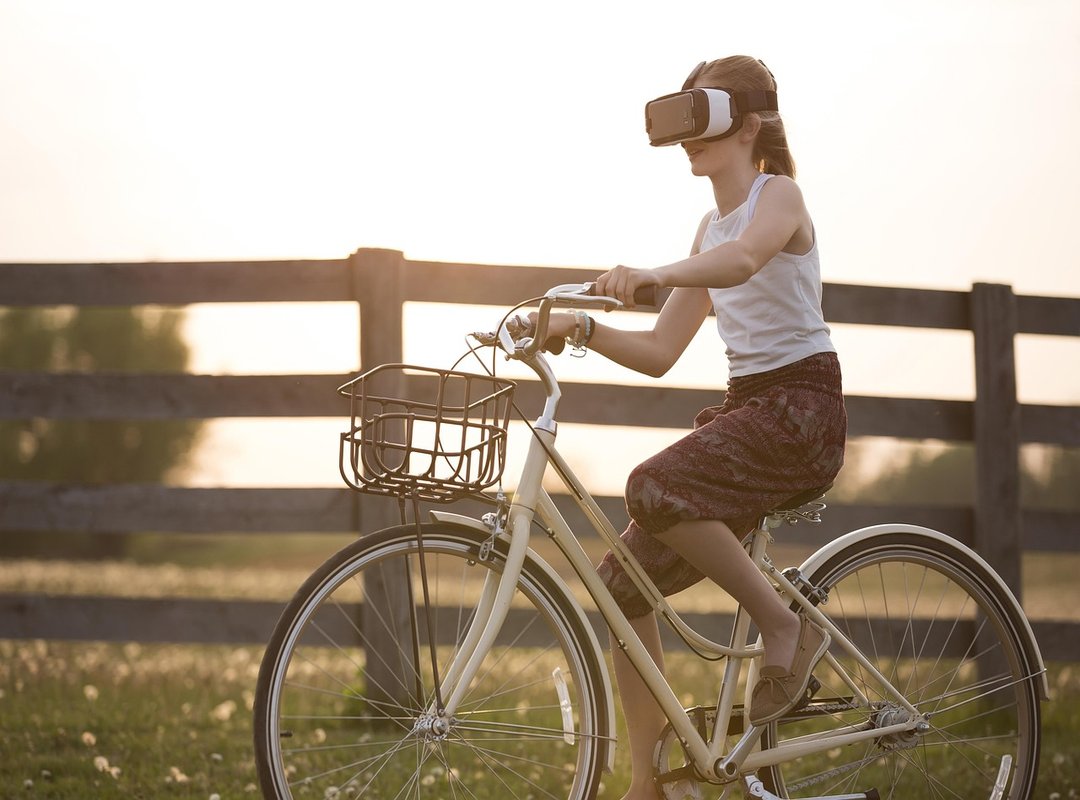
Her lively, abstract VR paintings push the boundaries of spatial expression, turning the very concept of a “canvas” on its head. You don’t just look at her work; you’re inside it.
Then there’s Wesley Allsbrook. Her work, ‘Dear Angelica,’ created in Quill, blends narrative depth with a unique illustrative style. It’s not just watching a story unfold; it’s living in it.
You wonder, can traditional art even compete? It’s a question that lingers.
Anna Zhilyaeva takes it live. Her captivating VR painting performances are not just art; they’re experiences. The immediacy and performative aspect captivate audiences.
Sutu (Stuart Campbell) invites us into his worlds. His interactive narratives and new world-building highlight user agency in art. That’s power right there.
It’s hard to look away.
You’re not just a viewer; you’re part of the story.
These artists redefine creativity through virtual reality and augmented reality in art. They remind us that VR is not just a new medium, but a new experience. It’s art, evolved.
The VR Art Movement: Redefining Boundaries
I’ve seen how the vr art movement is shaking the traditional art world. It’s more than just a phase. It’s transforming how we interact with creativity.
Virtual reality art blurs lines, inviting audiences to dive into art rather than just observe. Who wouldn’t want to walk through a Van Gogh painting?
Think beyond museums. VR art has applications in education, therapy, and storytelling. Imagine history lessons where students explore ancient Rome firsthand or therapy sessions where patients paint with their emotions.
But not all is rosy. High production costs and hardware accessibility keep many artists at bay. Plus, how do we preserve these digital masterpieces for the future?
It’s a whole new canvas.
It’s the dilemma of our digital age.
Looking ahead, expect photorealism to become the norm. Haptic feedback will let you feel the art, while AI tools will assist in creating pieces beyond human imagination. Social VR art experiences will connect us globally, making art personal again.
With mixed reality and the metaverse on the rise, VR art could redefine our interaction with creative works. Will we all become artists in this new world? Only time will tell.
But I’m betting it’ll be game-changing.
Embrace the vr art movement
The vr art movement is not just a fad. It’s a solid shift in creativity. I’ve laid out its history, tools, and key players so you can truly appreciate its impact.
You might still doubt its value, but understanding this art form is key.
I urge you to dive in. Visit virtual galleries, explore VR art apps, or follow trailblazing artists.
Stay ahead of the curve and keep up with this exciting evolution. Check out ElectRentertainment.com for more takeaways. Share your thoughts on this movement.
Let’s explore the future of art together.
 Digital Entertainment & Trends Analyst
Xlythara Gleam is the Digital Entertainment & Trends Analyst at ElectRentertainment.com, responsible for tracking and interpreting the latest developments in digital media, gaming, streaming platforms, and entertainment technology. She conducts in-depth research on emerging gadgets and industry shifts, providing insights that help guide the platform’s content strategy and editorial direction. Her analysis ensures the company stays ahead of evolving tech trends and audience behavior patterns. By transforming data into actionable insights, she contributes to shaping forward-thinking content that reflects the future of digital entertainment. Her role is crucial in keeping ElectRentertainment.com relevant, informed, and consistently aligned with global innovation trends.
Digital Entertainment & Trends Analyst
Xlythara Gleam is the Digital Entertainment & Trends Analyst at ElectRentertainment.com, responsible for tracking and interpreting the latest developments in digital media, gaming, streaming platforms, and entertainment technology. She conducts in-depth research on emerging gadgets and industry shifts, providing insights that help guide the platform’s content strategy and editorial direction. Her analysis ensures the company stays ahead of evolving tech trends and audience behavior patterns. By transforming data into actionable insights, she contributes to shaping forward-thinking content that reflects the future of digital entertainment. Her role is crucial in keeping ElectRentertainment.com relevant, informed, and consistently aligned with global innovation trends.