We’ve all seen the hype around wearable tech. But what’s the real deal with next gen wearable tech?
Are these gadgets actually changing our lives or are they just flashy toys?
I’ve spent time digging into the latest trends and innovations in this space. I think it’s key for us to understand what we’re really getting into.
These devices promise to track our health, boost our communication, and even boost our productivity. Sounds great, right? But what about the downsides?
I’ll break down the key features, benefits, and potential drawbacks of the latest wearables. You’ll get a clear picture of what’s out there and whether it’s worth your time and money.
By the end of this article, you’ll know which next gen wearable tech fits your needs. Trust me, I’ve sifted through the noise to give you the takeaways you actually need. Let’s dive in.
Next Gen Wearable Tech: What Makes It Advanced?
So, what sets advanced wearable technology apart from your everyday fitness tracker or smartwatch? It’s all about deep multi-sensor integration and some serious AI/ML power. While basic wearables might count your steps or track sleep, advanced devices go beyond.
We’re talking real-time data analysis, predictive analytics, and continuous connectivity. These aren’t merely gadgets that collect data; they’re devices actively interpreting, personalizing, and providing proactive takeaways.
Consider smart patches. These aren’t just about monitoring a heartbeat. They provide continuous health data that can predict trends and offer suggestions.
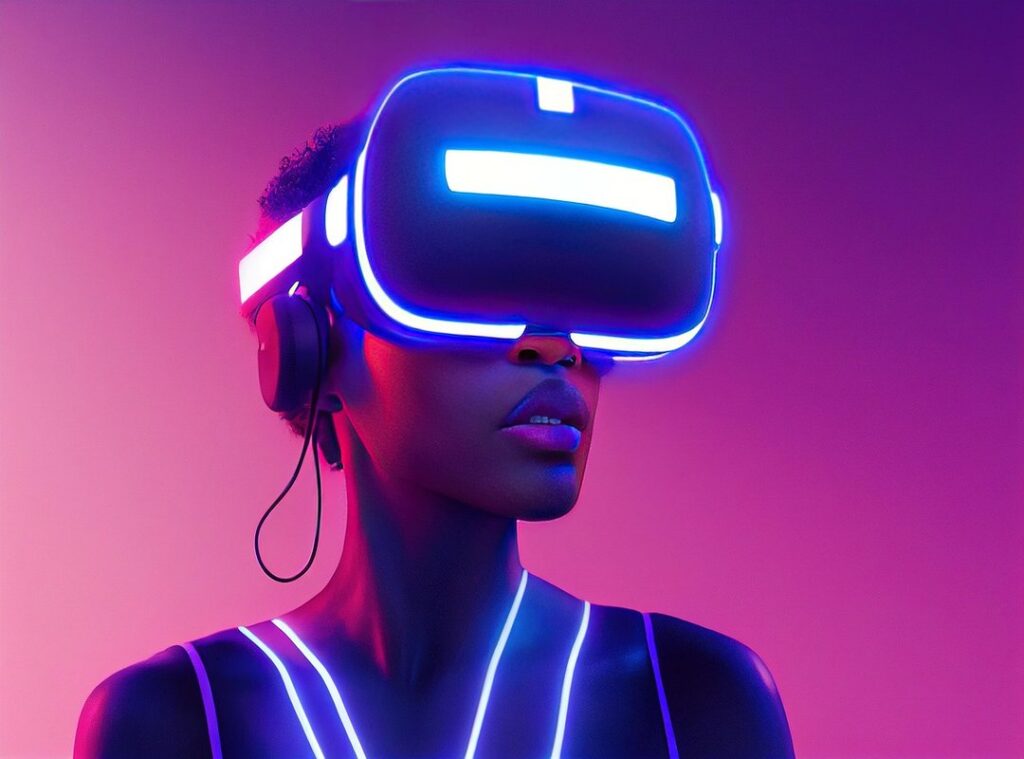
Then there are AR/VR headsets that do more than immerse you in another world. They use biometric feedback to adapt the experience in real-time. And let’s not overlook smart clothing.
It’s packed with sensors that track movement and key signs, offering takeaways athletes only dreamed of before.
And the frontier of bio-sensing implants? Now that’s a wild ride. They’re blurring lines between tech and biology.
Advanced wearables are changing the game. They’re not just tracking us; they’re helping us understand ourselves better.
Core Tech Behind Wearables: The Small and Mighty
Let’s talk about miniaturization and power efficiency. Without them, next gen wearable tech would be stuck in the stone age. Tiny microelectronics and smarter batteries are making these gadgets slimmer yet solid.
They’re not just fashion pieces; they’re tech marvels you can wear all day.
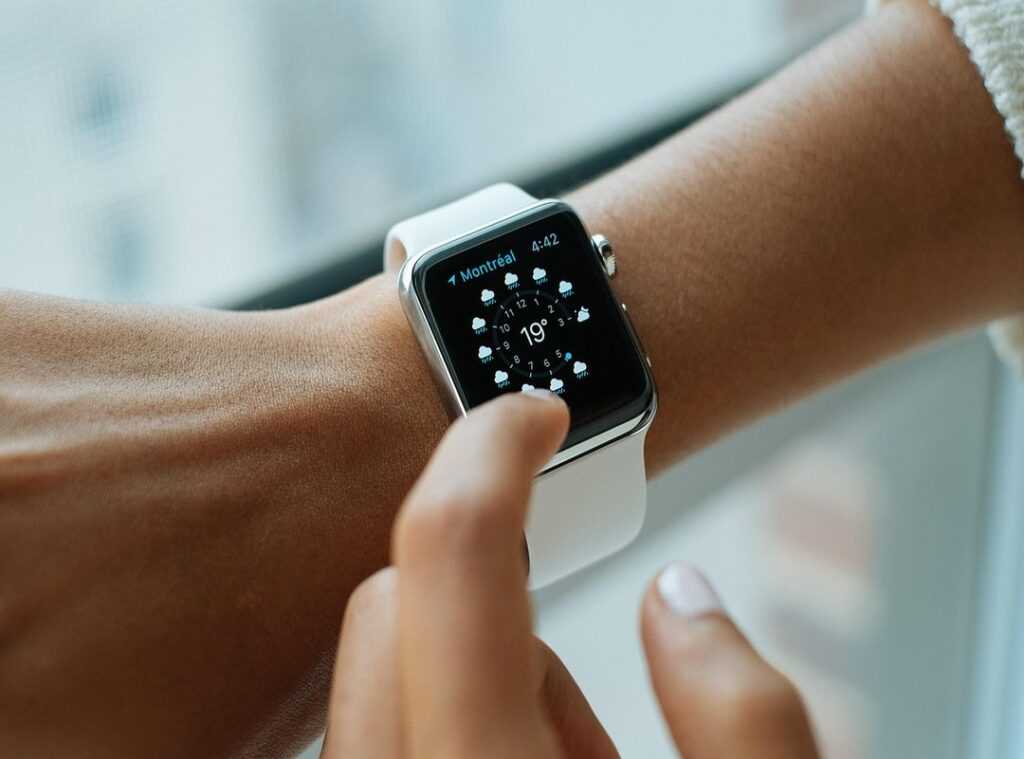
Then there’s advanced sensor integration. Think optical heart rates, ECGs, and SpO2. Each one adds to a complete, almost eerie, picture of your health.
It’s like having a personal health assistant on your wrist. And yes, that’s a good thing.
Artificial Intelligence and Machine Learning are the brains here. They process the data streams, find patterns, and make sense of your day-to-day activities. Ever wonder how your watch knows you’re stressed?
It’s those algorithms. They predict, they coach, they adjust interfaces (always) learning about you.
Connectivity keeps it all flowing. Low-power Bluetooth LE, Wi-Fi 6, and 5G aren’t just buzzwords. They’re the lifeline between devices and cloud systems.
Without them, your smart watch is just a shiny bracelet.
And what about data analytics platforms? They transform raw data into readable takeaways and alerts. It’s backend magic that ensures users and professionals can actually use this data.
Curious about the latest smart home innovation alongside these wearables? You’re not alone.
That’s the tech game for now (small,) smart, and smooth.
Next Gen Wearable Tech: Beyond the Hype
I’ve seen firsthand how next gen wearable tech is changing the game across different fields. In healthcare, it’s more than just a gadget. Continuous remote monitoring for chronic conditions is real.
Imagine catching health issues before they escalate. That’s solid. Personalized medication reminders?
They’re not just convenient; they can be lifesaving.
In sports, wearables are a game-changer. Ever wondered how athletes improve their training? Real-time biomechanical analysis gives them the edge.
Injury prevention is key, and these devices help monitor recovery metrics. It’s like having a personal coach 24/7.
Now, let’s talk enterprise. Enhancing worker safety with these gadgets isn’t just a concept; it’s happening. Think fall detection in hazardous environments.
AR glasses for maintenance? They improve efficiency in ways I didn’t think possible. And those smart uniforms?
For lifestyle and entertainment, the possibilities are endless. Augmented and virtual reality create immersive experiences that are hard to ignore. Smart assistants help with daily tasks, making life smoother.
They track logistics seamlessly.
Contactless payments and advanced navigation with haptic feedback? They feel like sci-fi but are very real.
If you’re skeptical, check this in-depth look into wearable neurostim tech. It’s fascinating. Tech like this isn’t just about flashy gadgets; it’s about real impact.
Are you ready to embrace it? I know I am. It’s not just about keeping up with trends; it’s about understanding how these innovations can truly transform our daily lives.
Navigating the Space: Benefits, Challenges, and Ethical
Next gen wearable tech is changing how we live. Think about it. Personalized data gives you control over your health, making everything from sleep tracking to workout optimization a breeze.

You’re not just reacting to your body’s state; you’re predicting it. That’s empowerment.
But let’s not get carried away. These devices have battery life that barely lasts a day (frustrating, right?). And don’t get me started on the accuracy of sensor data.
Ever had a fitness tracker tell you walked 10,000 steps while binge-watching Netflix? It’s not always reliable.
Then there’s the cost. Advanced devices can burn a hole in your pocket faster than you can say “upgrade.” And if you think all these devices talk to each other seamlessly, think again. Interoperability is a joke with competing platforms.
But here’s where it gets serious: Ethical Considerations. Your data is precious. We need strong security to protect it.
Imagine the nightmare of your biometric data falling into the wrong hands. Plus, the psychological impact of wearing a device 24/7? It’s like living in a Black Mirror episode.
And don’t forget privacy. The potential for surveillance is real. Not everyone can afford these devices, either, widening the digital divide.
It’s a lot like the issues with foldable phone technology. We’ve got to consider these angles.
The Horizon: Wearables of Tomorrow
Invisible computing is the next big thing. Imagine wearables that are so discreet you forget you’re wearing them. We’re talking smart fabrics and skin patches.
They blend into your day seamlessly. This isn’t sci-fi; it’s just around the corner.
Then there’s hyper-personalization. Future wearables will use sophisticated AI to adapt to your needs. They’ll know your preferences and even predict them.
How cool is that?
Advanced interaction methods are also on the rise. Gesture control, refined haptic feedback, and neuro-interfacing are leading the way. These will make user interactions more intuitive.
Sustainability is another key trend. Eco-friendly materials and energy harvesting tech will play a big role in next gen wearable tech. It’s about time, right?
Finally, the convergence with AI and IoT is set to create a more connected life. Wearables will be integral to smart homes and cities. The future of wearables is not just exciting (it’s) big.
Step Into the Future of Wearable Tech
This article has given you a clear view of next gen wearable tech amidst its complexities. Staying informed is key to using these tools effectively, whether in your personal life or at work. I challenge you to dive deeper into specific categories that catch your interest.
Research new products and consider how these technologies can change your daily routine or industry. Embrace the future and explore how wearable tech can work for you. Let’s get started!
 Digital Entertainment & Trends Analyst
Xlythara Gleam is the Digital Entertainment & Trends Analyst at ElectRentertainment.com, responsible for tracking and interpreting the latest developments in digital media, gaming, streaming platforms, and entertainment technology. She conducts in-depth research on emerging gadgets and industry shifts, providing insights that help guide the platform’s content strategy and editorial direction. Her analysis ensures the company stays ahead of evolving tech trends and audience behavior patterns. By transforming data into actionable insights, she contributes to shaping forward-thinking content that reflects the future of digital entertainment. Her role is crucial in keeping ElectRentertainment.com relevant, informed, and consistently aligned with global innovation trends.
Digital Entertainment & Trends Analyst
Xlythara Gleam is the Digital Entertainment & Trends Analyst at ElectRentertainment.com, responsible for tracking and interpreting the latest developments in digital media, gaming, streaming platforms, and entertainment technology. She conducts in-depth research on emerging gadgets and industry shifts, providing insights that help guide the platform’s content strategy and editorial direction. Her analysis ensures the company stays ahead of evolving tech trends and audience behavior patterns. By transforming data into actionable insights, she contributes to shaping forward-thinking content that reflects the future of digital entertainment. Her role is crucial in keeping ElectRentertainment.com relevant, informed, and consistently aligned with global innovation trends.