
The buzz around augmented reality, virtual reality, and mixed reality can be overwhelming. It feels like every day brings new jargon and hype.
But what does it all mean?
This article aims to cut through that noise. I’m here to demystify enhanced reality solutions. I’ll define these terms, show you their real-world impact, and explore what the future holds.
You’ll walk away with solid knowledge about augmented reality tools.
Many people feel lost with the rapid pace of tech innovation. I get it. It’s frustrating.
That’s why I’ve committed to providing clear, actionable takeaways.
You can trust this content because I dive into the latest technology trends with a key eye.
By the end, you’ll have practical knowledge that turns vague concepts into something you can really understand.
Let’s get through this exciting world together.
Enhanced Reality: Dive Into the Future
So what are enhanced reality solutions? They’re the umbrella term for tech that augments or simulates reality. You know, that stuff that blurs the lines between the digital and the physical.
Augmented Reality (AR), Virtual Reality (VR), and Mixed Reality (MR) are the big players here.
AR overlays digital info onto the real world. Think of Pokémon GO. Or IKEA Place, where your living room becomes a test lab.
It’s like digital sticky notes on the physical world.
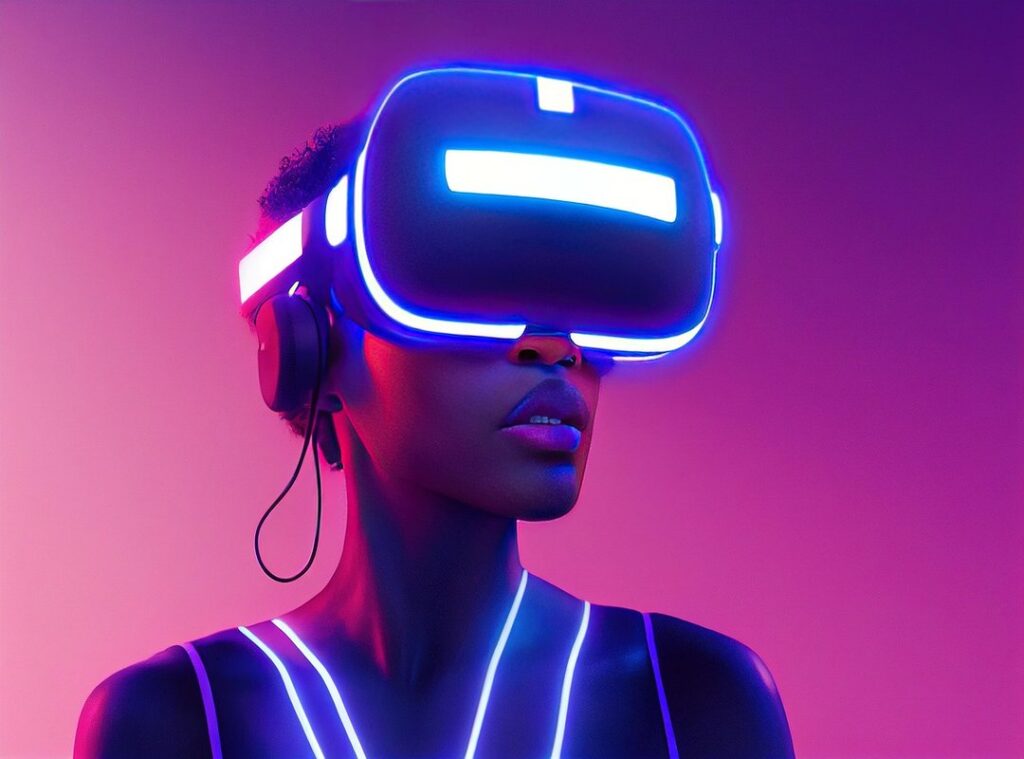
VR goes further. It creates fully immersive environments. Strap on a VR headset, like an Oculus Quest, and you’re in another world.
Gamers and pilots alike use this for everything from entertainment to training.
MR? That’s the wild card. It blends real and virtual worlds, allowing interaction in real-time.
Microsoft’s HoloLens is a standout. Imagine your physical and digital worlds playing nice together.
These aren’t just fancy gadgets; they’re augmented reality tools reshaping interaction. By the way, if you’re fascinated by tech, you might want to check out the latest smart watch features.
Beyond the Hype: Practical Applications Across Industries
Augmented reality tools are changing the game across various sectors. Let’s ditch the theoretical talk and dive into real-world uses. In healthcare, these tools are revolutionizing surgical training.
Imagine surgeons practicing complex procedures in a risk-free environment. It’s not just about training either. Remote assistance for surgeries is now a reality, and patient education has taken a leap forward with AR simulations (no more dull pamphlets).
Education isn’t left behind either. Interactive learning experiences are the new norm. Students can now go on virtual field trips or develop vocational skills without leaving the classroom.
It’s about engaging and preparing them for the future, not just filling their heads with facts.
In retail, AR is a game changer for “try before you buy” experiences. Picture this: trying on clothes virtually, or walking through a personalized showroom from your couch. It’s a shopper’s dream.
Industries and manufacturing use AR for remote maintenance and safety training. Assembly guidance? Check.
Even design visualization has stepped up, streamlining processes and reducing errors.
Entertainment? Oh, it’s thrilling. Immersive gaming and virtual concerts are just the tip of the iceberg.
We’ve moved beyond traditional storytelling, offering interactive experiences that draw you in.
These aren’t just gimmicks. They address real problems, providing value and innovation where it’s truly needed. So, ready to embrace the AR revolution?
Choosing Your Enhanced Reality Solution: What Really Matters
Let’s cut to the chase. Picking the ideal enhanced reality solution can feel like finding a needle in a digital haystack. Why?
Because it all hinges on your specific business goal. Are you aiming to boost customer engagement or boost training programs? Knowing your endgame isn’t just useful (it’s) important.
Hardware is a beast of its own. Mobile AR is portable and cost-friendly, but it’s limited in power compared to dedicated AR glasses. Then there’s standalone VR, which offers freedom but might lack the processing heft of PC-tethered VR.
Mixed Reality (MR) devices? They could be overkill or just what you need.
Software and content development are the next pits to get through. Do you lean on existing platforms, or does your vision demand custom development? Ease of integration with your current systems can’t be overlooked.
User experience is key. You want high immersion without the headache (literally, motion sickness is no joke). Ergonomics matter too.
Scalability is the cherry on top. Does this solution expand with your needs? Check for future-proofing and possible upgrade paths.
Technology moves fast. Don’t get left behind.
Before you get overwhelmed by augmented reality tools, consult this breakdown for in-depth guidance. It’s about aligning technology with your priorities, not just chasing the next shiny thing.
The Horizon of Reality: Emerging Trends and Future Innovations
The future of augmented reality tools is not just a buzzword anymore. It’s a full-blown revolution. We’re seeing hardware evolve in ways that were once pure sci-fi.

Lighter devices, solid processors, and improved optics make these tools more user-friendly and immersive. Have you noticed those wider fields of view? They change everything.
Now, let’s talk about AI and machine learning. These aren’t just flashy tech terms. They’re the backbone of smarter virtual assistants and changing content.
Imagine personalized experiences that adjust in real-time. It’s like your tech finally gets you. Spatial understanding is improving too, and that’s a game-changer.
The Metaverse is no longer just a concept. It’s building on these technologies, setting the stage for an interconnected digital universe. But what does that mean for us?
A new way to live, work, and play, all in one space. Spatial computing is also on the rise. Devices are learning to interact with our world more intuitively.
It’s not just fascinating; it’s practical.
But there’s a flipside. Ethical issues like data privacy and accessibility can’t be ignored. Are we ready to tackle the digital divide?
We have to be. As AR, VR, and MR converge into extended reality, the potential for ‘killer apps’ is enormous. They’ll redefine daily life.
If you’re curious about more tech innovations, this guide is worth checking out.
Maximizing Impact: Challenges Meet Solutions
Implementing enhanced reality solutions isn’t a walk in the park. The biggest hurdle? The cost of hardware and software.
Starting with pilot programs can ease the financial burden. Hands up if you’re worried about user adoption. Intuitive design and solid support are key to making augmented reality tools user-friendly.
Then there’s the technical stuff. Messy integration with existing IT systems and safeguarding data. Define clear objectives and measurable KPIs to justify every penny invested.
Without these, you’re just wandering in tech wilderness.
Innovation’s another beast. Create a culture that loves experimentation (the kind where failure’s a learning step, not a death sentence). You’ll want to stay laser-focused on strategic planning and continuous evaluation to actually make a difference.
In tech, standing still is moving backward. Adopt these steps, and you’ll be integrating these game-changing tools like a pro. Trust me, the results will be worth it.
Step into Enhanced Reality Now
Enhanced reality solutions are here. They’re not just a dream anymore; they’re solid tools changing industries.
I know the initial complexity can be overwhelming. But I’ve given you solid takeaways to build your foundation. Augmented reality tools have practical applications that can make a real difference in your field.
So, why not explore these technologies relevant to your interests? Stay informed about the latest innovations. The tech world is evolving fast, and you don’t want to fall behind.
Dive into more content and keep learning. Your next big breakthrough is just a click away.
 Digital Entertainment & Trends Analyst
Xlythara Gleam is the Digital Entertainment & Trends Analyst at ElectRentertainment.com, responsible for tracking and interpreting the latest developments in digital media, gaming, streaming platforms, and entertainment technology. She conducts in-depth research on emerging gadgets and industry shifts, providing insights that help guide the platform’s content strategy and editorial direction. Her analysis ensures the company stays ahead of evolving tech trends and audience behavior patterns. By transforming data into actionable insights, she contributes to shaping forward-thinking content that reflects the future of digital entertainment. Her role is crucial in keeping ElectRentertainment.com relevant, informed, and consistently aligned with global innovation trends.
Digital Entertainment & Trends Analyst
Xlythara Gleam is the Digital Entertainment & Trends Analyst at ElectRentertainment.com, responsible for tracking and interpreting the latest developments in digital media, gaming, streaming platforms, and entertainment technology. She conducts in-depth research on emerging gadgets and industry shifts, providing insights that help guide the platform’s content strategy and editorial direction. Her analysis ensures the company stays ahead of evolving tech trends and audience behavior patterns. By transforming data into actionable insights, she contributes to shaping forward-thinking content that reflects the future of digital entertainment. Her role is crucial in keeping ElectRentertainment.com relevant, informed, and consistently aligned with global innovation trends.