Smartphone technology is changing faster than we can keep up with. You’ve probably heard about those fancy flexible screens, but maybe you’re scratching your head, wondering what it all means.
I get it. There’s a lot of buzz and some confusion out there.
This article breaks down foldable phones technology in a straightforward way. I want to demystify these devices and give you a clear understanding of what this innovation really entails.
You’ll learn how these phones work, their current impact, and what the future holds.
I’ve looked into the latest tech trends and breakthrough innovations to give you takeaways you can trust.
By the end, you’ll feel informed about flexible smartphones and how they might fit into your life.
So, let’s dive into this fascinating world of flexible technology together.
Bend It Like a Smartphone
Ever wondered why everyone’s buzzing about foldable phones technology? Let me break it down. Flexible smartphone technology is all about phones that bend, fold, or roll.
Imagine holding a mini tablet in your pocket without feeling like you’re lugging a brick around. These devices have screens and internal parts designed to move without breaking (a minor tech miracle, if you ask me).
Now, here’s where folks get confused (there’s) a difference between flexible and foldable. Flexible means it can bend slightly. Foldable means it can fold completely.
We’re talking about a whole new world of phone experiences here. It’s not just about showing off a cool gadget. It’s about changing how we use our devices.
The main goal is simple: offer bigger screens in a portable form. Who doesn’t want a bigger screen for videos or gaming? These bendy wonders also open up new device capabilities.
Remember when flat screens were the hottest trend? Well, say hello to a future where your phone adapts to you, not the other way around. Larger screen real estate without the bulk (now) that’s tech I’m excited about.
The Bendable Magic: Materials and Engineering
Have you ever wondered what makes foldable phones technology possible? It’s the materials. Flex your brain around this: ultra-thin, durable substrates like flexible plastic OLED (P-OLED) or Ultra-Thin Glass (UTG).
These aren’t just fancy names. They bend without breaking, letting your phone fold like a piece of origami.
But it’s not just about the screen. The real magic lies in the guts of these devices. We’re talking bendable batteries, circuit boards, and connectors.
How do you get a battery to bend like a yoga instructor? That’s the engineering marvel. It’s like fitting a square peg into a round hole (only) here, the peg is a circuit board and the hole is a bendy phone.
Now, the hinges. These aren’t your average door hinges. They’re specialized, allowing for smooth and repeated folding.
Ever slam a flip phone shut in the early 2000s? Picture that, but with way more finesse. And let’s not ignore the manufacturing processes.
They make these complex, multi-layered components come together seamlessly. If you’re into next generation wearable tech, you’ll appreciate the craft behind it all.
In the end, these aren’t just phones. They’re pocket-sized pieces of future tech. And I can’t wait to see what’s next.
Beyond the Fold: Real-World Devices and Applications
Foldable phones technology is no longer just a futuristic dream. It’s here, and it’s making waves. You know those clamshell and book-style folds?
They’re not just gimmicks. They change everything. Phones that transform into tablets mean you can multitask like never before.
Imagine watching a video and texting at the same time (without) switching screens. It’s not just about bigger screens, though. These devices are compact too, fitting easily into your pocket.
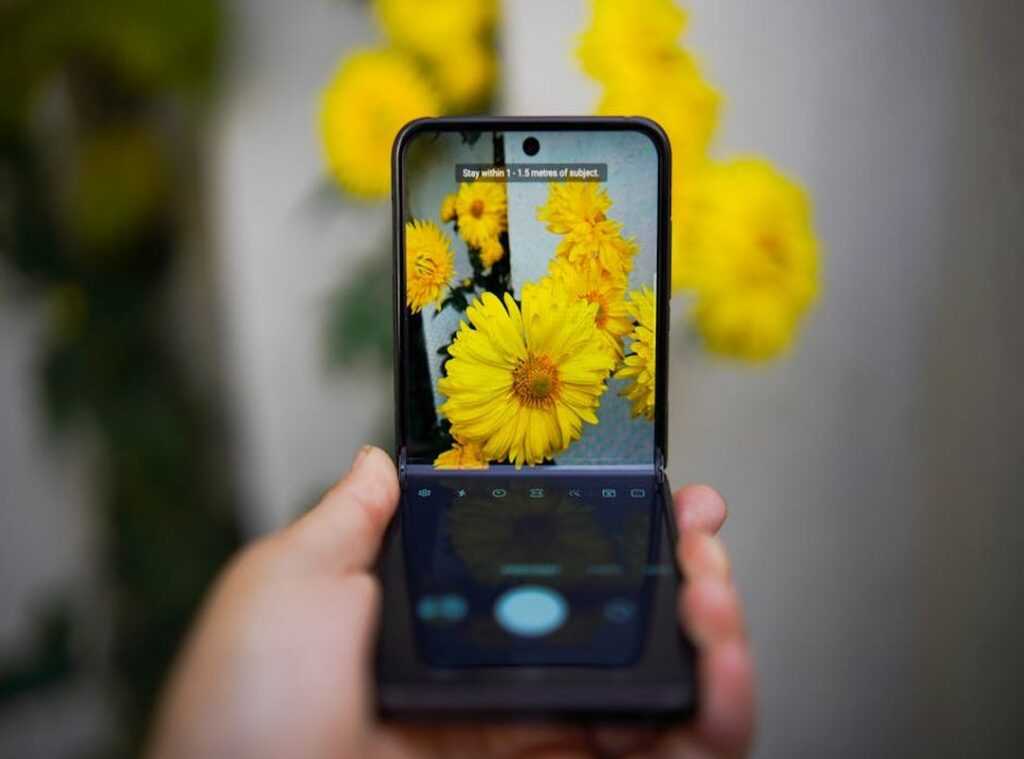
What about the user experience? It’s evolving. Think unique camera angles and split-screen functionality.
These aren’t just features; they’re game-changers. You can take photos from angles that were impossible before. And while we’re on the topic of innovation, don’t sleep on rollable displays.
Imagine a screen that adapts to your needs, expanding and contracting as you do.
Beyond phones, we’re talking about wearables that adapt to your body. It’s not just tech; it’s an extension of you. Curious about where this could lead?
Check out the smart glasses future. They could be next in line for a flexible upgrade. This is just the beginning.
The possibilities are endless.
The Game-Changing Benefits: Why Flexible is Better
Let’s get right to it. Foldable phones technology is the future because it offers what we’ve always wanted: a huge screen without the bulky hassle. You want the screen real estate of a tablet with the portability of a phone? Now you can have both.

It’s the best of both worlds.
These larger, adaptable screens aren’t just for show. They seriously up your productivity game. Imagine having your email open while jotting down notes or watching a video.
Multitasking becomes second nature. Who wouldn’t want that?
Now, let’s talk durability. We’ve all dropped our phones (come on, admit it) and feared the spider-web cracks. But flexible materials can handle drops better than rigid glass.
They’re not magic, though (they) can still scratch. Sorry, nothing’s perfect.
This is where the magic happens. Designers can finally push the boundaries and create interactions we’ve never seen before.
The real excitement? The potential for new form factors. Rigid phones are ancient history compared to the creative options flexible tech presents.
Media consumption will never be the same. Watching movies or playing games on a foldable screen? It’s like diving into another world.
More immersion, more fun.
And let’s not forget the environment. Longer device lifecycles could mean fewer new gadgets, thanks to repairability or future adaptability. Who knew tech could be greener?
Curious about how all this pans out? This foldable phones technology might be your next step. It’s all about embracing change and seeing where it takes us.
Overcoming the Hurdles: Challenges and Future Outlook
Foldable phones technology is like the awkward teenager of the tech world. It’s got potential but still struggles with a few growing pains. High production costs mean these devices come with a premium price tag.
Who wants to shell out big bucks for something that might not last?
Durability is another issue. Screen creases, hinges that give up too soon, and poor dust or water resistance aren’t exactly confidence boosters. It’s like buying a sports car that can’t handle a rainy day.
Then there’s battery life. These flexible displays are power-hungry monsters. Keeping them juiced up is a challenge no one wants to tackle daily.
Software optimization is key too. What’s the point of a foldable screen if the apps don’t transition smoothly? It’s like having a convertible and never taking the top down.
We need smooth experiences, not stop-and-go traffic.
Looking ahead, advancements in materials and hinge technology are on the horizon. Imagine a phone that bends without breaking or a screen that doesn’t crease. The potential extends beyond phones to other gadgets and even architecture.
Imagine flexible displays in your living room or office (talk about a conversation starter).
In the long run, flexible technology will become mainstream, offering truly adaptive digital experiences. It’s not just about the phones. It’s about changing how we interact with technology on every level.
We’re on the brink of a digital revolution, and I can’t wait to see where it takes us.
Step Into the Future of Tech
You now have a solid grasp of foldable phones technology. The confusion and skepticism are gone. Understanding this tech is key to staying ahead in today’s digital world.
The takeaways about materials, applications, and benefits provide a foundation for your next tech purchase.
Stay informed. Follow along for the latest updates, reviews, and analyses. This is not just another trend; it’s the future.
Don’t get left behind. Explore more at ElectRentertainment.com. The next big thing is just a click away.
Your tech-savvy self will thank you for it.
 Digital Entertainment & Trends Analyst
Xlythara Gleam is the Digital Entertainment & Trends Analyst at ElectRentertainment.com, responsible for tracking and interpreting the latest developments in digital media, gaming, streaming platforms, and entertainment technology. She conducts in-depth research on emerging gadgets and industry shifts, providing insights that help guide the platform’s content strategy and editorial direction. Her analysis ensures the company stays ahead of evolving tech trends and audience behavior patterns. By transforming data into actionable insights, she contributes to shaping forward-thinking content that reflects the future of digital entertainment. Her role is crucial in keeping ElectRentertainment.com relevant, informed, and consistently aligned with global innovation trends.
Digital Entertainment & Trends Analyst
Xlythara Gleam is the Digital Entertainment & Trends Analyst at ElectRentertainment.com, responsible for tracking and interpreting the latest developments in digital media, gaming, streaming platforms, and entertainment technology. She conducts in-depth research on emerging gadgets and industry shifts, providing insights that help guide the platform’s content strategy and editorial direction. Her analysis ensures the company stays ahead of evolving tech trends and audience behavior patterns. By transforming data into actionable insights, she contributes to shaping forward-thinking content that reflects the future of digital entertainment. Her role is crucial in keeping ElectRentertainment.com relevant, informed, and consistently aligned with global innovation trends.