
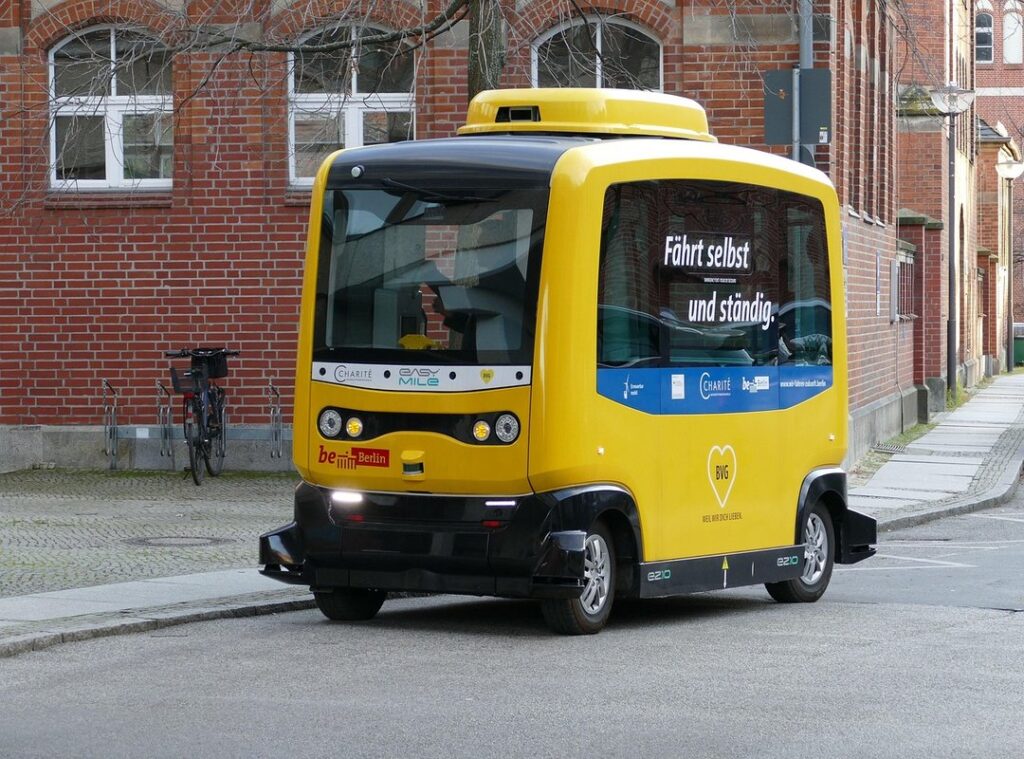
The world of transportation is changing fast, but let’s be honest: it’s a confusing mess.
Autonomous vehicle (AV) development is racing ahead, leaving many of us struggling to keep up. With so much information swirling around, how can you separate fact from fiction?
I get it. You want clear answers about what AVs are, how they work, and what they mean for the future.
This article is here to cut through the noise and break down the core concepts. No jargon, no fluff. Just straightforward, analytical takeaways that you can trust.
I’ve combed through the latest research and expert opinions to bring you reliable information. You deserve to grasp these complex technologies without getting lost in technical details.
By the end, you’ll have a solid understanding of autonomous vehicles takeaways and their real-world implications.
I promise to make this journey into the world of AVs as clear and informative as possible, so let’s dive in and figure out what all the buzz is really about.
Inside the Machine: Unpacking Autonomous Vehicles
Let’s get straight to it. Autonomous vehicles (AVs) aren’t just fancy cars. They’re machines that think (almost).
Unlike Advanced Driver-Assistance Systems (ADAS) which only provide basic support like braking or lane-keeping, AVs take over your steering wheel’s day job. We have to talk about the SAE J3016 standard. It maps out the levels of driving automation from 0 (no automation) to 5 (full automation).
At Level 2, the car can handle steering and speed but you better stay alert. Think Tesla’s Autopilot. Level 3?
The vehicle makes decisions (within limits) like a chauffeur you still have to watch. Then there’s Level 4: picture a robotaxi. It drives itself in certain zones but isn’t quite ready to tackle everything.
Full autonomy at Level 5 is like Knight Rider’s Kitt. Minus the sass.
Many confuse these levels, assuming ‘self-driving’ equals ‘driverless.’ It doesn’t. Real-world applications matter here. The journey to Level 5 feels long, but it’s as intriguing as Quantum Computing Ground Breaking.
Why? Because full autonomy changes everything.
Under the Hood: How Autonomous Vehicles See and Think
Autonomous vehicles aren’t magic. They’re the product of modern sensor technology and smart algorithms.
LiDAR, RADAR, cameras, and ultrasonic sensors each play unique roles in environmental perception. LiDAR creates detailed 3D maps, RADAR excels in detecting objects in poor visibility, and cameras capture visual details. Ultrasonic sensors?
Perfect for close-range detection.
Here’s where it gets interesting. These inputs are fused to generate a real-time, full picture of surroundings. It’s like the car has eyes all around.
But raw data means nothing without brains to process it.
Enter AI and machine learning. These algorithms sift through sensor data, identify objects, predict behaviors, and make driving decisions. It’s not just about seeing what’s there; it’s about understanding what might happen next.
High-definition maps (HD maps) and precise GPS are also key. They let accurate localization, path planning, and navigation. Without these, an autonomous vehicle would be lost on the road.
Lastly, communication systems like V2V and V2I boost awareness. They allow vehicles to talk to each other and infrastructure, creating a coordinated traffic system. This combination is where autonomous vehicles takeaways really shine.
The Promise and Perils: Autonomous Driving
When it comes to autonomous vehicles, road safety is the big sell. Human error causes most accidents, so taking the wheel out of our hands could save lives. Traffic efficiency is another benefit.
Imagine fewer jams and smoother commutes. Autonomous vehicles takeaways suggest that fuel consumption could be optimized too (saving both money and the planet).
But there’s more. Think about the elderly or those with disabilities. They gain independence with AVs.
The economic opportunities are juicy. Robotaxi services and autonomous logistics could explode. Yet, let’s not ignore the challenges.
Technological hurdles like ‘edge cases’ and bad weather aren’t solved yet. Programming AVs for unavoidable accidents (the infamous ‘trolley problem’) raises ethical issues.
Cybersecurity is a real worry. Hackers love a challenge, and AVs are juicy targets. Data privacy isn’t just a buzzword.
It’s a necessity. Public trust and acceptance are hurdles we can’t ignore. Will people embrace AVs?
And what about jobs lost in traditional driving sectors?
Curious about tech’s future? Check out the Digital Twins Next Frontier for more. Buckle up (it’s) going to be a bumpy ride.
The Road Ahead: Autonomy on Wheels
Autonomous vehicles are becoming a reality (finally). We’re seeing their presence in cities like Phoenix where Waymo’s robotaxis cruise around. These aren’t just cool.

They’re setting the stage for what’s next.
Let’s talk about who’s leading the charge. Waymo and Cruise are heavy hitters, but Tesla’s pushing its Autopilot aggressively. Traditional automakers are scrambling to catch up.
They’ve got AV divisions working overtime. Each company’s tactic is different, but they’re all racing toward the same finish line.
So, what’s the real timeline here? Don’t hold your breath. Full L4 and L5 adoption is still years away.
Regulators are cautious (can you blame them?), and the tech, while impressive, has a way to go. You want flying cars? Check back in a decade.
Beyond taxis and personal transport, AVs can revolutionize logistics. Think about autonomous trucks for long hauls or last-mile delivery bots. Public transit (imagine) that freedom!
And on the regulatory front, the rules are changing. They must for the tech to evolve.
For an in-depth look at the industry’s state, see this detailed guide. These are the autonomous vehicles takeaways you need right now.
Navigating the Future: Safety and Trust in AVs
Safety is the backbone of autonomous vehicles. Without it, the whole concept falls apart. But what does safety even look like here?
It’s not just about avoiding crashes. It’s about the rigorous testing and validation processes these vehicles undergo. We’re talking extensive simulations, closed-course testing, and controlled public road trials.
You need to know this because it’s your safety on the line.
Regulatory bodies like NHTSA and UNECE don’t just wave a magic wand and say, “Okay, you’re good to go.” They set safety standards, certification processes, and guidelines that these AVs must follow. It’s about creating a system where these vehicles can operate safely.
Now, public trust is a whole other beast. Transparent reporting of incidents, clear communication about what these systems can and can’t do, and public education initiatives are all key. But let’s face it, skepticism will always be there.
And that’s okay. It’s part of the process.
Infrastructure adaptations are next. Smart roads and digital communication networks are necessary. Society has to adjust too.
This isn’t just a tech issue; it’s a societal one. These are the autonomous vehicles takeaways you need to keep an eye on.
Embrace the Future of Mobility
I’ve outlined the complexities of autonomous vehicle technology. I hope this piece has clarified things for you. Understanding AV levels and the tech behind them is key.
The rapid evolution can be overwhelming. But you don’t have to face it alone.
I encourage you to stay informed. Seek out autonomous vehicles takeaways that break down these changes. Engage with discussions and dive into developments that shape our future.
Your transportation experience is about to change. Don’t get left behind.
Stay curious and proactive. The world of autonomous vehicles is changing. Explore it.
If you want to understand this big shift better, commit to learning. Start by seeking resources that provide straightforward tech takeaways. You’ll thank yourself later.
 Founder & Chief Executive Officer (CEO)
Strato Triantaellis is the founder of ElectRentertainment.com, a platform dedicated to delivering the latest in technology trends, innovative gadgets, and digital entertainment breakthroughs. As the driving force behind the company, he defines its vision, strategy, and long-term direction, ensuring it stays aligned with innovation in the tech and entertainment space. He oversees operations from the Shreveport, Louisiana headquarters, where he manages partnerships, brand development, and overall growth. With a strong passion for emerging technologies and digital media, Strato focuses on building a platform that connects users with cutting-edge advancements in gadgets, software, and online entertainment. His leadership is centered on innovation, creativity, and expanding the company’s global reach.
Founder & Chief Executive Officer (CEO)
Strato Triantaellis is the founder of ElectRentertainment.com, a platform dedicated to delivering the latest in technology trends, innovative gadgets, and digital entertainment breakthroughs. As the driving force behind the company, he defines its vision, strategy, and long-term direction, ensuring it stays aligned with innovation in the tech and entertainment space. He oversees operations from the Shreveport, Louisiana headquarters, where he manages partnerships, brand development, and overall growth. With a strong passion for emerging technologies and digital media, Strato focuses on building a platform that connects users with cutting-edge advancements in gadgets, software, and online entertainment. His leadership is centered on innovation, creativity, and expanding the company’s global reach.