Cities are changing fast and not always for the better. Rapid urbanization has outpaced traditional planning, leaving a mess of traffic, pollution, and inadequate housing. You might be wondering how we can fix these problems.
That’s where future smart cities come in.
New urban developments offer solutions that consider the needs of modern life. They use technology to make cities more livable and fast. But let’s be real: not every plan is a winner.
Some projects miss the mark entirely.
I’ve seen the struggle firsthand. Planners often get bogged down in outdated methods and regulations. This article aims to cut through the noise.
I want to provide you with clear, actionable takeaways into urban innovation.
We’ll dig into effective strategies and technologies shaping the cities of tomorrow. You’ll learn about real-world examples and practical applications that can improve urban life.
Trust me, I’ve explored this space extensively. I’m here to share what works and what doesn’t. If you care about the future of urban living, buckle up.
You’re about to dive into a world of new solutions that can change the way we experience our cities.
Future Smart Cities: The Next Frontier
What exactly makes a city “new”? It’s more than just shiny new skyscrapers. For me, it’s about integrating smart technology and sustainability into everyday life.
Think about how cities like Amsterdam use smart traffic systems to reduce congestion. That’s innovation in action.
Sustainability is a big piece. Urban developments need to be eco-friendly. Look at Singapore’s Gardens by the Bay (a) lush, green oasis right in the city.
They didn’t just plant trees; they crafted a space that keeps the city cooler and more livable. It’s not just pretty. It’s practical.
Community-centric designs are another must. People want to feel connected, not just packed into concrete boxes. Barcelona’s superblocks prioritize pedestrians and green spaces, making the city more liveable.
It’s a model others should follow.
I’m not saying every city will become a future smart city overnight. But the push is real. The drive for innovation is gaining momentum.
Curious about how technology plays into this? Explore the quantum computing new era to see how tech is reshaping urban landscapes. It’s fascinating stuff.
We need more cities to adopt these approaches, even if it’s just a piece at a time. Are we ready for it? I hope so.
Tech and the Urban Revolution: Shaping Our Cities
Smart technologies are the bedrock of future smart cities. I’ve seen firsthand how cities transform when they embrace IoT, AI, and big data. These tools aren’t just flashy gimmicks; they redefine urban life.
Picture sensors that monitor traffic and adjust lights to ease congestion. Or AI predicting maintenance for infrastructure before a collapse happens (who wouldn’t want that?).
Take Barcelona, for example. They’ve embedded sensors across the city to manage everything from waste collection to street lighting. It’s not just about convenience (it’s) about creating a safer, more fast environment.
How many times have you been stuck in traffic and wished the lights were smarter?
Then there’s Singapore, a city that’s practically a tech utopia. They’ve got AI managing their public transport, ensuring trains run on time. It’s like stepping into the future.
But here’s the kicker: these advancements aren’t just for big cities. Smaller places are catching on too, realizing the potential for improved quality of life.
Sure, some fear too much tech could invade privacy or lead to job losses. But the benefits often outweigh these concerns. More fast cities can mean less pollution, reduced commute times, and safer streets.
Who wouldn’t want that?
It’s all about balance. Tech must serve people, not the other way around. Ultimately, future smart cities are about harnessing innovation to solve real problems.
And if we do it right, we won’t just be building cities; we’ll be crafting better lives.
Sustainable Urban Development: Building Green Futures
Why should we care about sustainability in urban development? It’s simple. The planet’s resources aren’t infinite.
Our cities need a makeover, and not just any makeover. A sustainable one. This means embracing eco-friendly practices like green buildings and smarter waste management.
Imagine cities that rely on renewable energy sources. Sounds like science fiction, right?
Some cities are already leading the way. Take Stockholm, for instance. They’ve been using biogas from waste to power public buses.
That’s thinking ahead. And in Singapore, green roofs aren’t just trendy (they’re) a necessity due to limited space. Cities like these are setting the benchmark for future smart cities.
But it’s not just about technology. It’s about a mindset shift. It’s about asking ourselves tough questions: How can we make our daily lives more sustainable?
Can we really afford not to adapt?
Pro tip: Start small. Even individual efforts add up. So, next time you’re in a city, look around.
Notice the efforts being made (or not). The future is urban, and it’s our job to make sure it’s green.
Urban Innovation: Breaking Boundaries
Urban innovation isn’t just a buzzword; it’s a battlefield. When I look at future smart cities, I see endless potential but also a slew of challenges. Implementing new ideas in cities is tough.

You’ve got to deal with bureaucratic red tape, outdated infrastructure, and sometimes, public skepticism. Believe me, I’ve been there. It’s like trying to run the latest software on an ancient computer.
What are the solutions? For starters, urban planners have started pushing for collaborative planning. Bringing in community voices early on can help smooth out bumps. (Who knew your neighbor might have the answer to a zoning issue?) Then there’s technology.
IoT is becoming a game-changer, especially when you consider IoT shaping modern life. It’s helping cities manage resources better and make informed decisions.
Experts often cite examples like Copenhagen, where intelligent traffic systems reduce congestion. Pro tip: Keep an eye on that city if you’re interested in urban tech. But, let’s be real.
These solutions aren’t quick fixes. They require patience and adaptability. So, are you ready to embrace the complexities of urban innovation and join this thrilling journey?
The Future of Urban Living: Trends to Watch
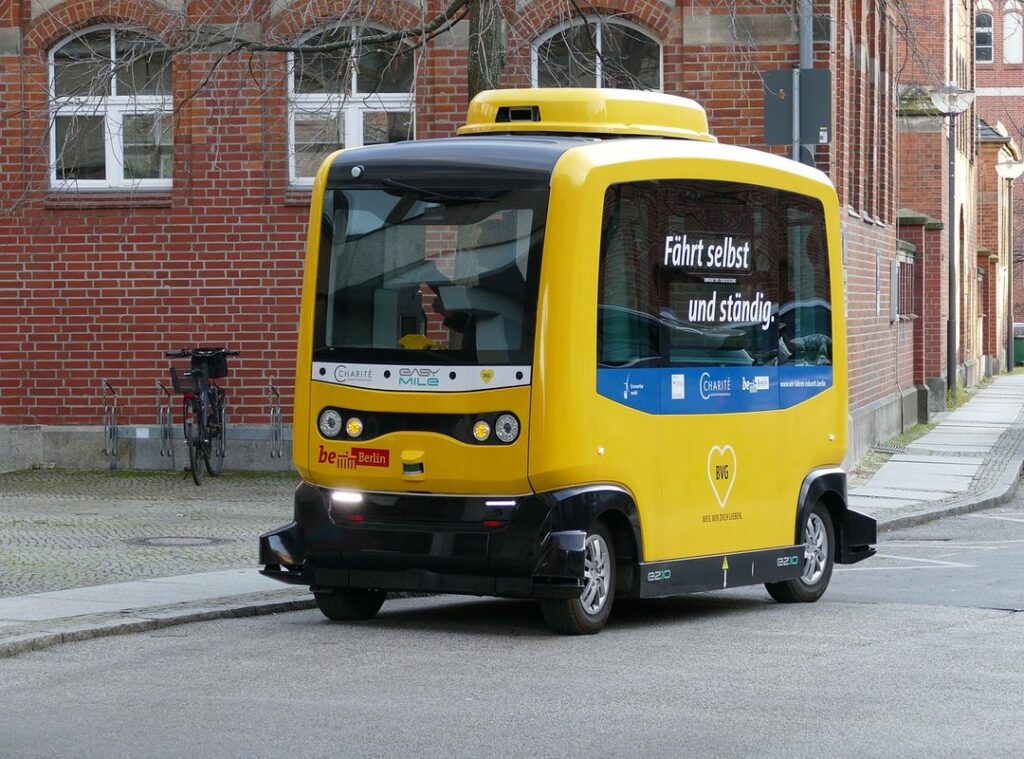
Let’s get one thing straight: future smart cities are no longer just a sci-fi fantasy. Cities are transforming before our eyes, and it’s not just about skyscrapers and bustling streets anymore. Imagine autonomous transportation weaving through city grids.
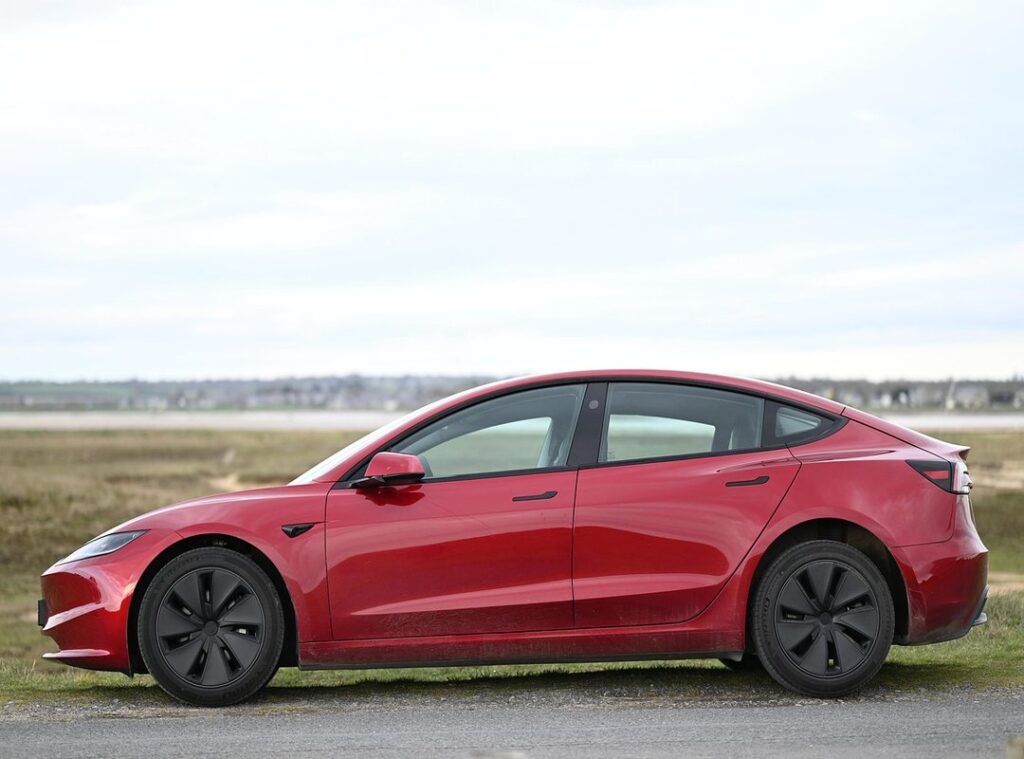
It’s happening. These self-driving cars aren’t just a novelty; they’re set to redefine urban mobility, cutting down on congestion and pollution.
Now, vertical farming (it’s) not just a trendy term. It’s a game changer. Growing crops in skyscrapers?
It’s like something out of a futuristic movie, but it’s real. This innovation could revolutionize how cities feed their populations, reducing the need for long-distance food transportation. And let’s not forget mixed-use developments.
Who wouldn’t want everything. Living, working, and entertainment (within) walking distance? It makes life simpler and cuts down on unnecessary travel.
But what does this mean for our communities? Will we lose the personal touch in favor of tech-driven convenience? I think not.
As urban spaces become smarter, the potential for deeper community interactions grows. People will have more time to engage with each other and less time spent on mundane tasks. Are we ready for these changes?
Better be. The future is already knocking at our door.
Shape Urban Life Today
The future smart cities are here, and they’re changing how we live. Technology, sustainability, and innovation are key. You need to stay informed about these shifts.
Every change impacts your daily life. Ignoring it means missing out on better living conditions.
Get involved in urban innovation efforts. Your voice matters.
Want to be part of the change? Explore new trends and gadgets that improve urban life. Engage with your community.
Don’t sit back. Take action.
Join the movement for smarter, more sustainable cities. The future is bright, but only if we all participate. Start today.
 Creative Technology Director
Tynsera Pell serves as the Creative Technology Director at ElectRentertainment.com, where she leads the creative vision behind digital content and tech storytelling. She specializes in blending design innovation with modern technology trends, ensuring that complex ideas are transformed into engaging and accessible experiences for users. Working closely with both editorial and development teams, she plays a key role in shaping user experience, visual identity, and interactive media concepts. Her work focuses on presenting gadgets, digital tools, and tech innovations in a visually compelling and intuitive way. Tynsera is essential in maintaining the platform’s creative direction while supporting the founder’s vision through innovative design and storytelling strategies.