
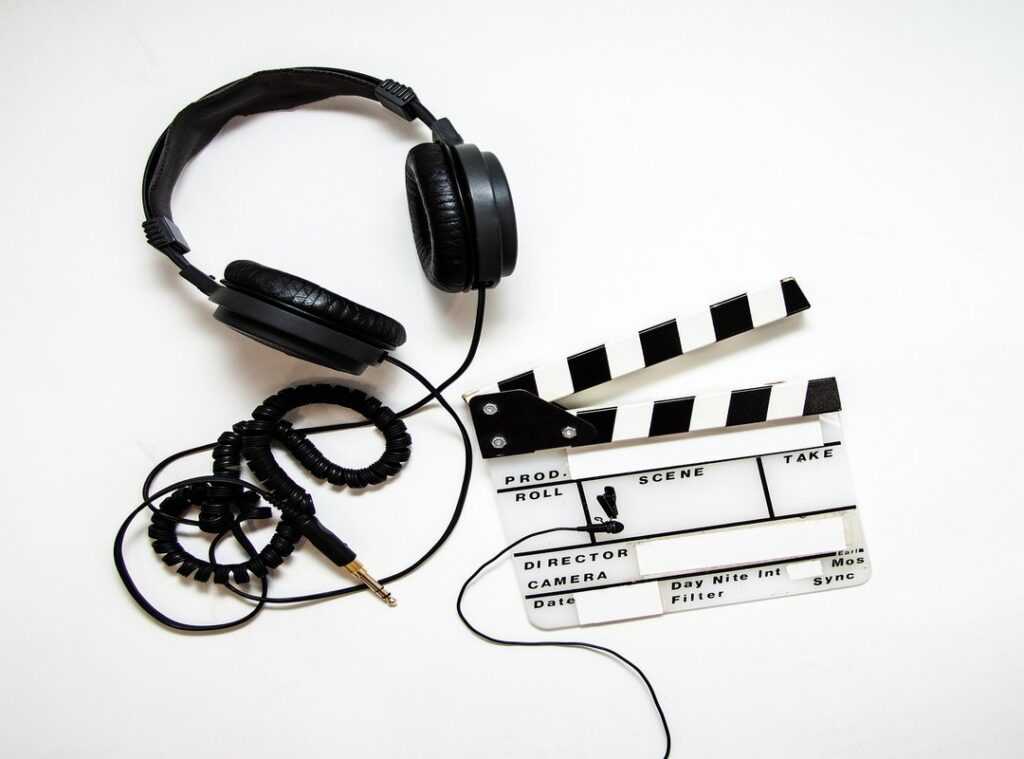
Technology is changing fast. Filmmaking is no exception.
Many in the industry feel overwhelmed by the rise of AI. You might be wondering how it fits into the filmmaking process or how it really works. That confusion is understandable.
I’ve spent years following tech trends and digital entertainment breakthroughs. I know the space. This article aims to clear the fog around AI film production.
I’ll break down its role in all stages of filmmaking, from pre-production to post. You’ll see how AI can boost creativity while also raising some challenges.
This isn’t just theoretical. I’m drawing from real-world observations and industry takeaways. You’ll get a practical understanding of how to use AI in your projects, even if you’re a newcomer.
Expect a straightforward and analytical look at what AI means for filmmakers. By the end, you’ll have a better grasp of AI’s potential and pitfalls in the cinematic world.
AI in Filmmaking: Beyond the Buzz
What is artificial intelligence in filmmaking really about? It’s a tool. AI isn’t some mystical force swooping in to snatch creativity from filmmakers’ hands.
It’s designed to simulate human intelligence for tasks like problem-solving and decision-making. In the context of film, it means algorithms, machine learning, and deep learning come into play. And yes, they’re doing creative tasks.
Let’s talk about AI film production. Predictive analytics can forecast box office success (or failure), while generative AI helps in scripting or storyboarding. You’re probably wondering: Is AI replacing human creativity?
Not a chance. It’s augmenting it. Filmmakers are using AI to push boundaries, focus on higher-level artistic vision, and explore uncharted creative territories.
Imagine optimizing workflows or assisting with creative decisions. AI’s not just a cog in the machine; it’s a collaborator. By taking over mundane tasks, it frees filmmakers to do what they do best (create.) The shift is happening now.
Embracing AI means leaning into a future where technology and creativity dance together rather than fighting for stage time.
AI in Pre-Production: From Concept to Casting
AI is shaking up AI film production like nothing else. Script analysis is a game-changer. Imagine software reading a script and predicting its box office potential.
It even flags clichés and suggests character arcs. Wild, right? It’s like having a seasoned script doctor on call 24/7.
Then there’s storyboarding. AI churns out quick sketches from script descriptions. Visualizing scenes without hiring a team of artists?
Yes, please. AI-generated animatics save time and give directors a rough cut before real filming starts. It’s fast and downright clever.
Virtual location scouting is another big deal. AI scans geographical data to find perfect spots for filming. It checks light, accessibility, and even permit requirements.
What used to take weeks now takes minutes. Imagine the time saved scouting for that perfect beach or moody forest.
Casting? AI analyzes actor portfolios and matches them to roles. It suggests diverse options, streamlining the whole process.
No more endless auditions or sifting through headshots.
Interested in more tech innovations? Check out the immersive gaming vr revolution. It’s another area where AI is making waves.
This tech isn’t just a tool; it’s transforming how we make movies.
Revolutionizing Production: AI on Set and Beyond
I’ll be honest, the buzz around AI film production gets a bit much, but the impact is undeniable. During filming, AI-powered cameras make a difference. They track subjects and keep focus sharp, freeing operators to focus on the artistry (where humans excel, right?).
Virtual production brings another layer of magic. Think LED volumes where AI tweaks backgrounds and lighting in real-time. Instant visual feedback means fewer nasty surprises in post-production.
Have you ever wondered how films manage the insane amount of data? AI handles it. It organizes takes and optimizes shooting schedules, saving everyone’s sanity and making sure resources aren’t wasted.
Now, let’s talk about de-aging and digital doubles. They’re not just for sci-fi anymore. AI captures data to make sure consistency in these effects.
That’s a game-changer for maintaining quality from the get-go.
Mistakes? Oh, I’ve seen plenty made by over-relying on these systems. AI enhances, but creative control?
That’s still human turf. Learning to balance is key. Without it, you risk losing the human touch that true filmmaking craves.
Post-Production Powerhouse: AI in Action
AI film production is shaking things up. Seriously, have you seen how it speeds through editing? Imagine sifting through hours of footage in minutes.

AI does that. It doesn’t just stop at edits. It suggests cuts, even creates initial assembly edits from notes.
That’s efficiency.
Enhancing CGI realism? AI nails it. Need complex environmental effects?
Visual effects? AI is a game-changer. It handles rotoscoping and object removal with precision.
It’s faster and more accurate than ever.
Sound design isn’t left out either. AI cleans up audio, removes noise, and generates ambient sounds. It even automates foley work.
The result? Pristine soundscapes.
Color grading benefits too. AI analyzes footage, suggests color grades, and ensures consistency. It enhances image quality with ease.
Distribution and marketing are optimized by AI. It analyzes audience data to predict release windows and targets demographics effectively. Personalizing content recommendations maximizes reach and engagement.
But not everyone’s convinced. Some say AI lacks the human touch. Fair point.
But for those interested in diving deeper, this detailed guide explores how AI is transforming the industry. AI in post-production is here to stay. Are we ready?
The Human Element: Navigating AI’s Film Future
AI is revolutionizing film production right before our eyes. But let’s not kid ourselves (it’s) not all sunshine and rainbows. Sure, AI film production promises new levels of efficiency and creativity, but what about the human element?
The fear of job displacement is real. Yet, I’m convinced it’s more about role evolution. Imagine the new jobs that might pop up.
Think about the unique skills we’ll need to master.
But ownership is a killer question. Who owns the art when an AI does the heavy lifting? It makes my head spin, honestly.
Philosophical debates on AI and creativity are going to be the talk of the town. And bias? Don’t even get me started.
AI algorithms can be as biased as Uncle Bob at Thanksgiving. They can skew casting, script analysis, and more if we’re not careful.
Yet, there’s serious potential here. AI could push storytelling into uncharted territories. Personalized, interactive stories are the next frontier (check out the Rise Of Interactive Storytelling for a peek).
Ultimately, AI is just a tool. It’s up to us (human) filmmakers (to) mold it ethically and creatively.
Embrace the Future of Film
Navigating the AI film production space can be confusing. I get it. But this article has tackled that complexity head-on.
AI is not a threat; it’s a game-changer. It can redefine creativity and efficiency in filmmaking. You now have takeaways into how AI can boost your work and improve audience engagement.
So what do you do next? Stay curious. Explore the tools available.
Engage in discussions about ethical AI practices and how they impact your craft. Embrace these changes.
By doing so, you’ll stay relevant but thrive in this evolving industry. Don’t miss out on the future. Start exploring today.
 Creative Technology Director
Tynsera Pell serves as the Creative Technology Director at ElectRentertainment.com, where she leads the creative vision behind digital content and tech storytelling. She specializes in blending design innovation with modern technology trends, ensuring that complex ideas are transformed into engaging and accessible experiences for users. Working closely with both editorial and development teams, she plays a key role in shaping user experience, visual identity, and interactive media concepts. Her work focuses on presenting gadgets, digital tools, and tech innovations in a visually compelling and intuitive way. Tynsera is essential in maintaining the platform’s creative direction while supporting the founder’s vision through innovative design and storytelling strategies.
Creative Technology Director
Tynsera Pell serves as the Creative Technology Director at ElectRentertainment.com, where she leads the creative vision behind digital content and tech storytelling. She specializes in blending design innovation with modern technology trends, ensuring that complex ideas are transformed into engaging and accessible experiences for users. Working closely with both editorial and development teams, she plays a key role in shaping user experience, visual identity, and interactive media concepts. Her work focuses on presenting gadgets, digital tools, and tech innovations in a visually compelling and intuitive way. Tynsera is essential in maintaining the platform’s creative direction while supporting the founder’s vision through innovative design and storytelling strategies.